A top boat GPS tracker should protect a vessel during storage, docking, towing, and movement on water. Proper marine tracking depends on waterproof construction, live location updates, geofence alerts, motion detection, theft notifications, reliable coverage, and long battery life.
Marine use demands more than a small GPS device hidden inside a cabin or dry box. Reliable boat tracking needs alert speed, app visibility, satellite or cellular coverage, secure mounting, and resistance against water, vibration, salt exposure, and long idle periods.
The latest official U.S. Coast Guard accident statistics were released in 2025 and cover recreational boating incidents from calendar year 2024. Coast Guard data verified 3,887 incidents, 556 deaths, 2,170 injuries, and about $88 million in property damage, making real-time vessel visibility and movement alerts more than a convenience
Our Top Picks For Boat GPS Trackers
| Product | |||||
|---|---|---|---|---|---|
| Best For | Real-Time Boat Security | Satellite Tracker | Marine Asset Protection Tracker | Marine Satellite Communicator | Anti-Theft Tracker |
| Device Price | Varies | $79.95 | $149.95 Official / $149.92 Amazon | $449.99 MSRP | $179.00 |
| Monthly Subscription | $14.95/month | From $11.95/month; Flex Plan $14.95/month | $14.95/month | From $7.99/month | $49/year After 2 Free Months |
| Customer Review | 4.9/5 | 4.0/5 | 4.4/5 | 4.3/5 | 4.7/5 |
| JUMP TO PRODUCT | JUMP TO PRODUCT | JUMP TO PRODUCT | JUMP TO PRODUCT | JUMP TO PRODUCT |
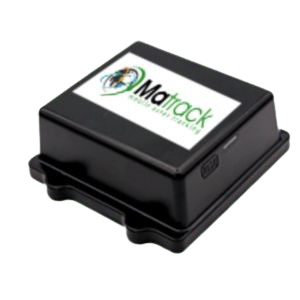
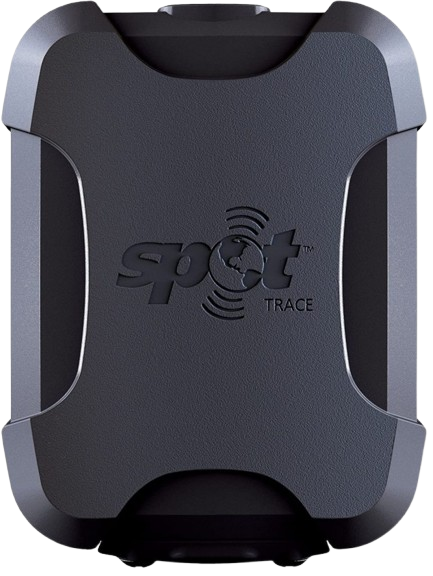
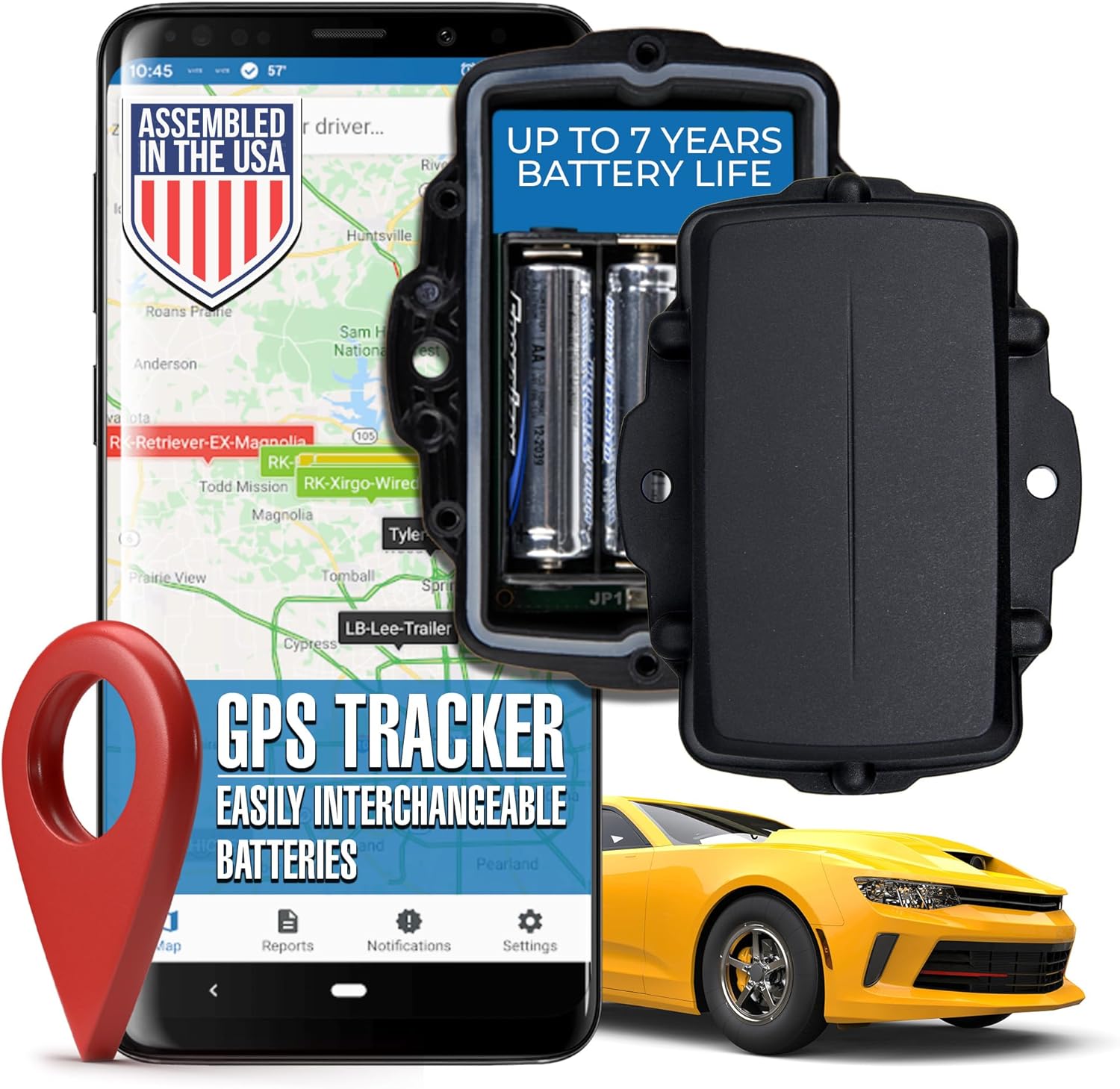
Note: Customer rating from Google, Amazon, or Trustpilot.
How We Evaluated GPS Boat Trackers?
Boat tracking needs more than basic location sharing, so each device was evaluated for real-world boat use rather than ordinary asset tracking. Products were considered only when they matched vessel security, dock monitoring, trailer protection, mooring checks, satellite visibility, or outboard motor theft prevention.
Evaluation focused on conditions boat owners commonly face, including rain, splash exposure, weak network coverage, long storage gaps, and sudden vessel displacement. Waterproof protection, live location updates, geofence support, alert speed, route history, app access, and battery life were treated as the main ranking attributes.
Pricing was checked beyond the upfront device cost because most GPS trackers need an active service plan to send location updates. Monthly subscriptions, yearly plans, activation requirements, setup effort, and long-term value helped decide which products belonged in the final list.
What Are The Best GPS Trackers For Boats In 2026?
1. Matrack Boat GPS Tracker — Best Real-Time Boat Security
Matrack Boat GPS Tracker was most useful when a vessel stayed at a marina, private dock, or trailer yard without anyone nearby. Live position, ignition status, battery notices, and saved zones gave a clearer picture than a basic map pin.
Leaving the slip triggered a boundary alert, while route history showed where the boat went, when it stopped, and how long it remained away. That extra context made suspicious movement easier to review after the first warning.
Trip records, power level, and recent activity stayed together in one dashboard, which simplified checks from home. Dependable cellular service is still required, so this option makes more sense near marinas and inland waterways than far offshore.
Pros and Cons
| Pros | Cons |
|---|---|
| ✅ Boat-focused monitoring, not generic tracking. | ❌ Satellite coverage is not the main focus. |
| ✅ Ignition context improves theft review. | |
| ✅ Route records clarify suspicious trips. | |
| ✅ Dashboard access suits remote checks. |
Key features
- Safe zones
- Ignition alerts
- Battery notices
- Route logs
- Score reports
- Fleet dashboard
- Mobile access
- Trip history
Product Information
| Feature | Value |
|---|---|
| Price | $50 |
| Monthly Subscription | $14.95 |
| Battery Life | 7 years at 2 updates/day |
| Warranty | Lifetime |
| Size | 2.87″ x 2.4″ x 1.69″ |
| Weight | 7.02 Oz |
| Battery | 3.6V Lithium, 13Ah |
| Battery Type | Internal and Rechargeable |
2. SPOT Trace GPS Tracker — Best For Satellite Dock Visibility
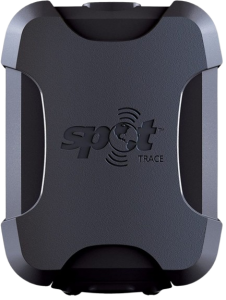
Remote moorings and quiet lake slips do not always have reliable cell service. SPOT Trace GPS Tracker uses satellite check-ins to show whether a boat remains where it was left.
Dock Mode helped catch movement caused by towing, theft, current, or changing wind conditions. Daily status messages also confirmed that the device was still active without requiring a trip back to the marina.
Simple vessel awareness is the main reason to choose this model. Detailed route review and two-way messaging are limited, but the satellite connection works well for unattended boats in low-signal areas.
Pros and Cons
| Pros | Cons |
|---|---|
| ✅ Satellite link suits remote moorings. | ❌ No two-way boater messaging. |
| ✅ Dock Mode fits water storage. | |
| ✅ Status checks reduce marina visits. | |
| ✅ Simple reporting avoids data overload. |
Key features
- Dock Mode
- Motion messages
- Power alerts
- Status pings
- Interval settings
- Email notices
- Text updates
- Satellite map
Product Information
| Feature | Value |
|---|---|
| Price | $129.95 |
| Monthly Subscription | $14.95 |
| Warranty | One-year Warranty |
| Size | 6.9″ x 2.02″ x 0.95″ |
| Weight | 1 oz |
| Battery | 4 AAA Energizer Ultimate Lithium 8x batteries (L92) – Installed |
| Battery Option | 4 AAA Energizer® NiMH rechargeable batteries (NH12) – Sold Separately |
| Battery Type | Option of external, and Internal and rechargeable |
| Battery Life | 10-14 days active battery life with one-minute updates |
3. LoneStar Oyster3 GPS Tracker — Best For Marine Asset Protection
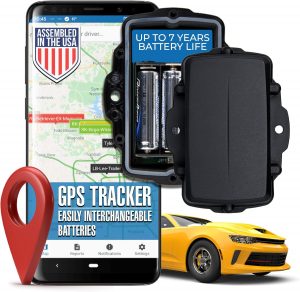
LoneStar Oyster3 GPS Tracker is built for boats and trailers that spend weeks in seasonal storage. Its IP68 housing, replaceable batteries, and long standby life reduce the amount of maintenance needed during winter layup.
Rain, spray, humidity, and long idle periods were less concerning with the sealed wire-free design. Disturbance detection and zone notices also made unexpected trailer or vessel movement easier to catch.
Encrypted data, shared account access, and recovery tools add useful protection once the boat leaves its saved area. Faster update settings shorten battery life, and magnetic mounting requires a separate accessory.
Pros and Cons
| Pros | Cons |
|---|---|
| ✅ Long standby suits seasonal layup. | ❌ Faster updates reduce battery life. |
| ✅ Rugged body handles exposed marinas. | |
| ✅ Wire-free setup avoids boat wiring. | |
| ✅ Encrypted data protects asset privacy. |
Key features
- IP68 shell
- Cat-M1 network
- Replaceable cells
- Multi-user access
- Zone notices
- Street View
- Traffic overlay
- Recovery mode
Product Information
| Feature | Value |
|---|---|
| Price | $149.92 |
| Monthly Subscription | $14.95 per month or $149 per year (first month free) |
| Warranty | Not specified |
| Size | 5.39 x 2.83 x 1.18 inches |
| Weight | 5.5 ounces |
| Battery | 3 AA batteries (included) |
| Battery Type | AA Lithium batteries |
| Battery Life | Up to 7 years (stationary), 2.8 years (daily 2-hour driving), or 10 years (no movement detection) |
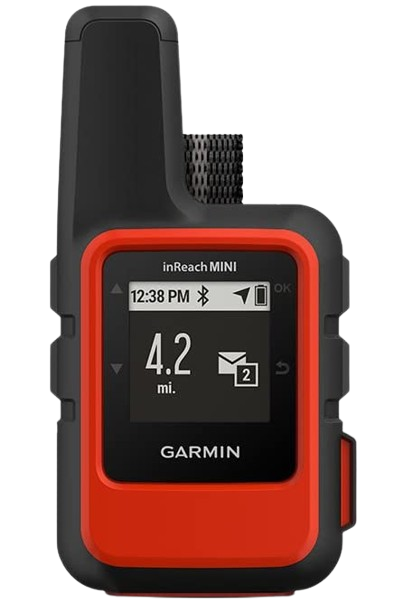
4. Garmin inReach Mini 2 Marine Bundle — Best For Marine Satellite Communicator
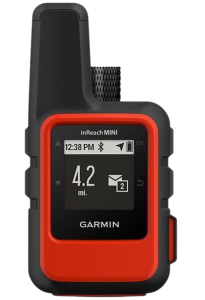
Offshore runs and remote lake trips create a bigger need for communication than dock security. Garmin inReach Mini 2 Marine Bundle keeps the crew connected through two-way satellite messages, location sharing, weather requests, and SOS access.
Keeping the unit near the helm or inside a ditch bag made more sense than hiding it below deck. The marine mount also kept the controls within reach during fishing trips, long crossings, and low-signal travel.
Crew safety is the main purpose here, not theft recovery or unattended marina monitoring. Message entry can be slow on the compact screen, but the Iridium network provides contact where a phone may stop working.
Pros and Cons
| Pros | Cons |
|---|---|
| ✅ Satellite messaging supports remote crews. | ❌ Not designed for hidden theft tracking. |
| ✅ SOS access strengthens trip safety. | |
| ✅ Marine mount keeps unit reachable. | |
| ✅ Weather requests aid route planning. |
Key features
- SOS trigger
- Two-way texts
- Weather replies
- Location sharing
- Explore app
- Messenger app
- Iridium network
- Marine mount
Product Information
| Feature | Value |
|---|---|
| Price | $299.99 |
| Monthly Subscription | $14.95 |
| Battery Life | 10 hours of active battery life with 10-minute updates; 24 days of battery life in save mode |
| Warranty | One year |
| Size | 2.04″ x 3.90″ x 1.03″ |
| Weight | 3.5 Oz |
| Battery | Lithium-ion |
| Battery Type | Internal and Rechargeable |
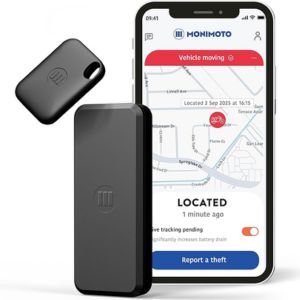
5. Monimoto 9 GPS Tracker — Best Boat and Outboard Anti-Theft
Monimoto 9 GPS Tracker focuses on the first signs of outboard motor or trailered-boat theft. Phone-call warnings are harder to miss when someone lifts an engine, moves the trailer, or disturbs a stored vessel.
The IP68 body can stay concealed near an engine bracket, inside a protected compartment, or along the trailer frame. Key fob recognition also helps separate normal owner access from suspicious activity before recovery mode begins.
Embedded eSIM service and up to one year of battery life reduce routine upkeep during off-season storage. LTE-M service may be less dependable on remote water, so the device works best around docks, storage yards, and connected coastal areas.
Pros and Cons
| Pros | Cons |
|---|---|
| ✅ Hidden placement suits outboard security. | ❌ LTE-M limits remote-water reliability. |
| ✅ Wet-area build fits engine spaces. | |
| ✅ Phone calls speed theft response. | |
| ✅ Rechargeable power supports winter storage. |
Key features
- Call alerts
- eSIM access
- USB-C charging
- App alarm
- GPS recovery
- IP68 rating
- Motion trigger
- Owner keycard
Product Information
| Feature | Details |
|---|---|
| Price | $179 |
| Monthly Subscription | $49 per year after two free months |
| Battery Life | Up to 12 months per charge |
| Warranty | Two-year manufacturer warranty |
| Size | 3.65″ × 1.52″ × 0.58″ |
| Weight | 2.05 oz |
| Battery | 900 mAh |
| Battery Type | Internal rechargeable 3.7V Li-Polymer battery |
Why Do You Need a GPS Tracker for a Boat?
Protection against theft, drift, trip uncertainty, and storage risks becomes easier with a boat GPS tracker.
- Theft Risk: Marina slips, ramps, trailers, and private docks leave boats exposed when no one is nearby. The boat GPS tracker sends instant alerts to flag suspicious activity early, enabling the owner to respond before someone takes the vessel farther away.
- Remote Check: Weeks between trips can hide tampering, low power, or unexpected changes around the storage site. Scheduled location updates provide boaters confirmation without needing to visit in person.
- Live Recovery: Real-time positioning helps locate the boat during towing, shared use, rental trips, or theft recovery. Last-known route data reduces confusion during urgent searches.
- Mooring Drift: Wind, current, storms, or loose lines can pull a hull away from its expected spot. Geofence notifications reveal the shift before damage or loss becomes harder to control.
- Usage Records: Route history shows where the boat traveled, stopped, or changed direction. Trip records support rental checks, family use, maintenance review, and dispute handling.
What Should You Look for in a Boat GPS Tracker?
Choosing a boat GPS tracker should start with vessel storage, travel range, theft risk, and coverage needs.
Waterproof Rating
Marine use brings rain, spray, humidity, and dockside exposure, so sealed construction matters. A stronger waterproof rating is more important for open storage, outboard placement, and boats kept on water.
Coverage Type
Cellular GPS trackers suit marinas, trailer yards, coastal towns, and storage areas with strong network access. Satellite trackers are better for remote moorings, offshore routes, lake cabins, and low-signal waterways.
Battery Life
Boats often sit unused for longer periods than vehicles, so standby power becomes a major buying factor. Long battery life reduces charging pressure during seasonal storage, trailer parking, and marina layup.
Geofence Control
Saved zones help monitor slips, docks, launch ramps, trailer yards, and private storage areas. A geofence notice can show whether a vessel has left a trusted location.
App Visibility
A good tracking app should show location, trip history, battery condition, and device status without a complicated dashboard. Mobile access matters most for checking vessel activity away from the marina.
Mounting Style
Hidden placement works better for theft prevention around trailers, outboards, and stored boats. Helm-side placement suits satellite communicators used for crew safety and trip contact.
Alert Quality
Fast notifications are more useful than long reports during theft, towing, or drift. Look for motion warnings, battery notices, zone updates, and status messages that match vessel storage habits.
Subscription Cost
Service fees can change long-term value more than device price. Compare monthly plans, yearly options, activation needs, update frequency, and coverage limits before choosing.
Final Verdict
Matrack Boat GPS Tracker is the strongest choice for real-time boat security because it combines live vessel location, geofence alerts, ignition status, battery notifications, route monitoring, and app-based visibility. It fits owners who need steady monitoring around marinas, trailer yards, private docks, and stored vessels.
SPOT Trace works better for satellite dock visibility, LoneStar Oyster3 suits long-term marine asset protection, Garmin inReach Mini 2 belongs with crew communication and SOS use, and Monimoto 9 is more focused on outboard and trailer anti-theft coverage. Each product serves a different boat-use case, so choosing by storage style, coverage needs, and theft risk matters more than picking by price alone.
A good boat GPS tracker should match real marine conditions, not just offer basic location sharing. Waterproof build, reliable alerts, battery life, coverage type, and clear app access should guide the final buying decision.
Frequently Asked Questions
Can a GPS tracker work on a boat?
Yes, a GPS tracker can work on a boat if the device has proper coverage, water resistance, and a service plan. Marine use usually needs stronger battery life, reliable alerts, and protection against spray, rain, humidity, or outdoor storage.
Do boat GPS trackers need a monthly subscription?
Most boat GPS trackers need a monthly or yearly subscription to send location updates through cellular or satellite networks. The service plan usually covers map access, alerts, update frequency, and app connectivity.
Is cellular or satellite tracking better for boats?
Cellular tracking works well around marinas, coastal towns, trailer yards, and storage areas with strong network signals. Satellite tracking is better for remote moorings, offshore routes, lake cabins, and low-signal waterways.
Where should a GPS tracker be placed on a boat?
Placement depends on the tracker type and purpose. Theft-focused devices work better in hidden areas, while satellite communicators should stay near the helm, ditch bag, or crew member responsible for communication.
Can a boat GPS tracker prevent theft?
A GPS tracker cannot physically stop theft, but it can help detect suspicious activity faster. Geofence alerts, motion warnings, route history, and live location can support quicker recovery after unauthorized movement.
What features matter most in a boat GPS tracker?
The most important features are waterproof construction, live location, geofence control, battery life, coverage type, app visibility, and alert speed. Boat owners should match these attributes with storage style, travel range, and theft risk.
Share This Article