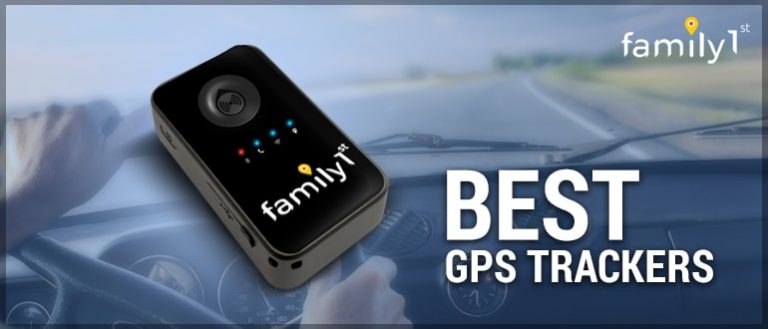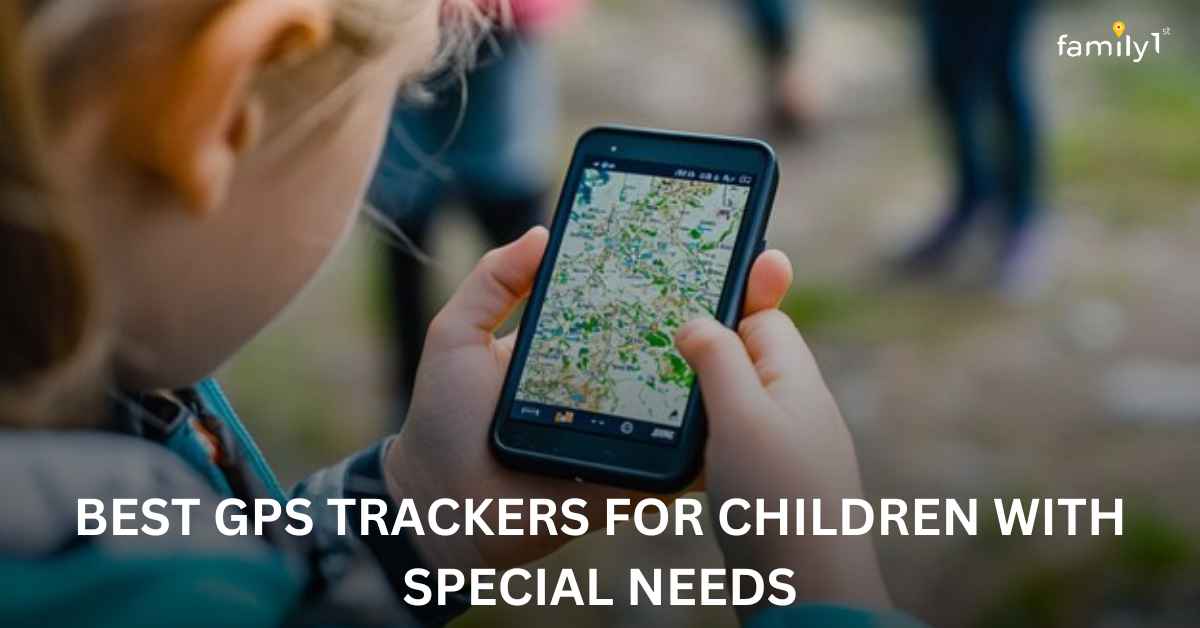
Family1st Teen GPS Tracker is the best portable GPS tracker for children with special needs in 2026. It gives parents real-time location updates, safe-zone alerts, and app-based tracking for school, travel, therapy visits, and daily routines.
Children with special needs may have physical, developmental, intellectual, behavioral, emotional, communication, or sensory-related needs. A GPS tracker helps when a child may wander, struggle with directions, feel overwhelmed in public places, or need closer caregiver support.
According to the CDC, nearly 1 in 5 children in the United States has a special healthcare need. This makes reliable location tracking useful for families who need faster response, better visibility, and added safety during everyday movement.
Our Best Picks: GPS Trackers for Children with Special Needs
| Product | |||||
|---|---|---|---|---|---|
| Best For | Portable Tracking | Smallest GPS Tracker for Kids | Best Compact GPS Tracker for Backup Safety | GPS Smartwatch for Kids | Backpack GPS Tracker for Kids |
| Device Cost | $29.95 | $14.99 | $12.95 | $159.99 | $34.95 |
| Monthly Subscription | $21.95/mo | $19.95/mo, or prepaid plans from $8.15/mo | $29.99/mo | $9.99/mo + tax | $14.95/mo |
| Best Child Use Case | School routes, therapy visits, travel, and daily movement | Backpack, lanyard, pocket, or small-bag placement | Trips, outdoor activities, backup safety, and supervised movement | Ages 3–12 needing location visibility plus parent-approved communication | Backpack, pocket, purse, or small-bag placement |
| JUMP TO PRODUCT | JUMP TO PRODUCT | JUMP TO PRODUCT | JUMP TO PRODUCT | JUMP TO PRODUCT |
How We Tested GPS Trackers for Children with Special Needs?
We tested GPS trackers by checking how well they support children who need closer location visibility during school, therapy visits, travel, and daily routines. The focus was on real-time tracking, safe-zone alerts, SOS access, battery life, subscription cost, and ease of use for parents.
Safety features were reviewed first because parents need fast alerts when a child leaves a familiar area, misses a usual route, or needs help in a public place. Trackers with geofencing, location history, emergency alerts, and caregiver access were given higher priority.
Comfort and placement were also checked because not every child can wear a watch, carry a bulky device, or tolerate something attached to clothing. Backpack-friendly trackers, compact devices, and smartwatch-style options were compared so families can choose what fits their child’s routine, sensory comfort, and independence level.
What Are The Best GPS Trackers For Children with Special Needs?
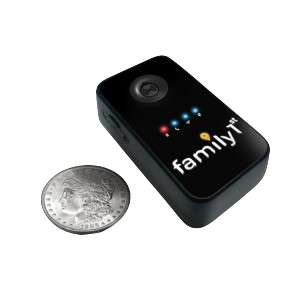
1. Family1st Teen GPS Tracker — Best Portable Tracking
Daily routes between school, therapy, home, and outdoor spaces are easier to supervise with Family1st Teen GPS Tracker. Live updates, geofence notices, and trip history give parents route visibility without wrist wear.
Wandering risk, missed turns, and unexpected exits create pressure during special-needs routines. Custom zones alert adults when a child leaves a trusted place such as home, school, or a caregiver’s address.
Backpack or pocket carry keeps the setup low-profile for sensory-sensitive users. Hidden placement reduces discomfort for young users prone to removing visible wearables.
Pros and Cons
| Pros | Cons |
|---|---|
| ✅ Most affordable overall tracking setup. | ❌ Not designed as a wearable. |
| ✅ No long-term contract requirement for service. | ❌ Needs bag or pocket placement. |
| ✅ Long battery for routine tracking. | |
| ✅ Portable without wrist-based daily wear. |
Key features
- Route history
- Rechargeable battery
- Mobile dashboard
- Multi-user viewing
- Portable build
- Geofence exit
- Geofence entry
- Low battery
- Speed notice
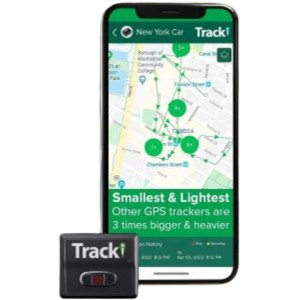
2. Tracki GPS Tracker — Smallest GPS Tracker for Kids
Small size matters for kids bothered by bulky wearables, clips, or wristbands. Tracki GPS Tracker slips into a pouch, school bag, lanyard, or pocket for discreet daily carry.
Sensory-sensitive users often respond better to lightweight safety tools than wrist-based options. Field trips, crowded places, and travel days become easier to manage through live location updates.
SOS button helps a child send an alert without explaining their surroundings clearly. Regular charging should stay part of the routine because compact trackers usually trade battery capacity for smaller designs.
Pros and Cons
| Pros | Cons |
|---|---|
| ✅ Very small for discreet carrying. | ❌ Small battery needs regular charging. |
| ✅ Good for sensory-sensitive children. | ❌ Carry item can be misplaced. |
| ✅ Works without child smartphone use. | |
| ✅ Useful during travel and outings. |
Key features
- Indoor Wi-Fi
- Global roaming
- Magnetic attachment
- Lifetime warranty
- SIM included
- SOS signal
- Movement notice
- Boundary update
- Battery reminder
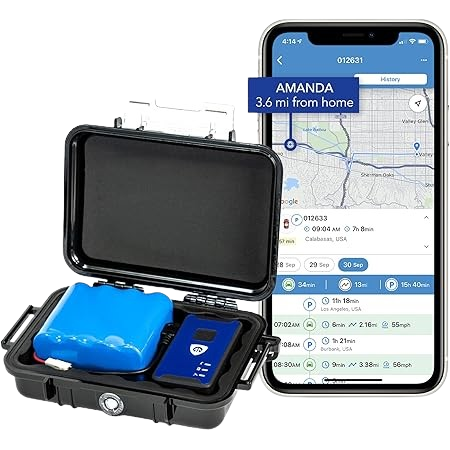
3. BrickHouse Spark Nano 7 — Best Compact GPS Tracker for Backup Safety
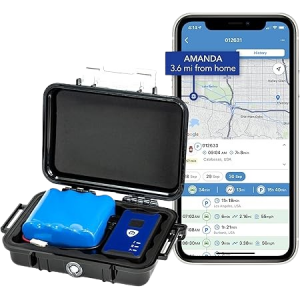
Busy outings, travel days, and outdoor activities make BrickHouse Spark Nano 7 practical as a backup safety tracker. The compact build adds route monitoring without changing a child’s normal routine.
Some days involve school, therapy, relatives, and public places within the same schedule. Location notices and custom zones help guardians spot unexpected route changes early.
Pocket or bag carry suits kids uncomfortable with visible gear. Extra safety coverage matters most during transitions, events, or supervised independence.
Pros and Cons
| Pros | Cons |
|---|---|
| ✅ Strong backup for busy outings. | ❌ Monthly plan is relatively higher. |
| ✅ Text updates reduce app checking. | ❌ Outdoor protection may need casing. |
| ✅ Good for multi-stop daily routines. | |
| ✅ Useful for supervised independence days. |
Key features
- Desktop access
- Panic button
- 4G service
- Weatherproof case
- Wireless operation
- Speed warning
- Zone breach
- Text notification
- Panic alert
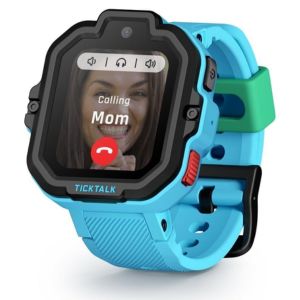
4. TickTalk 5 — Best GPS Smartwatch for Kids
TickTalk 5 serves children comfortably wearing a watch and following simple call steps. Location visibility, approved contacts, voice calls, SOS button, and parent-controlled communication help kids not ready for a smartphone.
Direct communication matters when a child feels confused, anxious, delayed, or separated from a familiar adult. Quick calling gives the wearer a simple way to reach a trusted person.
Wrist comfort needs checking before choosing smartwatch-style tracking for sensory-sensitive kids. Best for young users needing route awareness and direct contact in one wearable.
Pros and Cons
| Pros | Cons |
|---|---|
| ✅ Combines tracking with child communication. | ❌ Wrist wear may feel uncomfortable. |
| ✅ Approved contacts improve calling control. | ❌ Battery drains faster than trackers. |
| ✅ School Mode limits classroom distraction. | |
| ✅ Video calls help quick reassurance. |
Key features
- Video calling
- School Mode
- Contact approval
- Camera function
- Bluetooth pairing
- SOS call
- 911 option
- Reminder ping
- Parent app notice
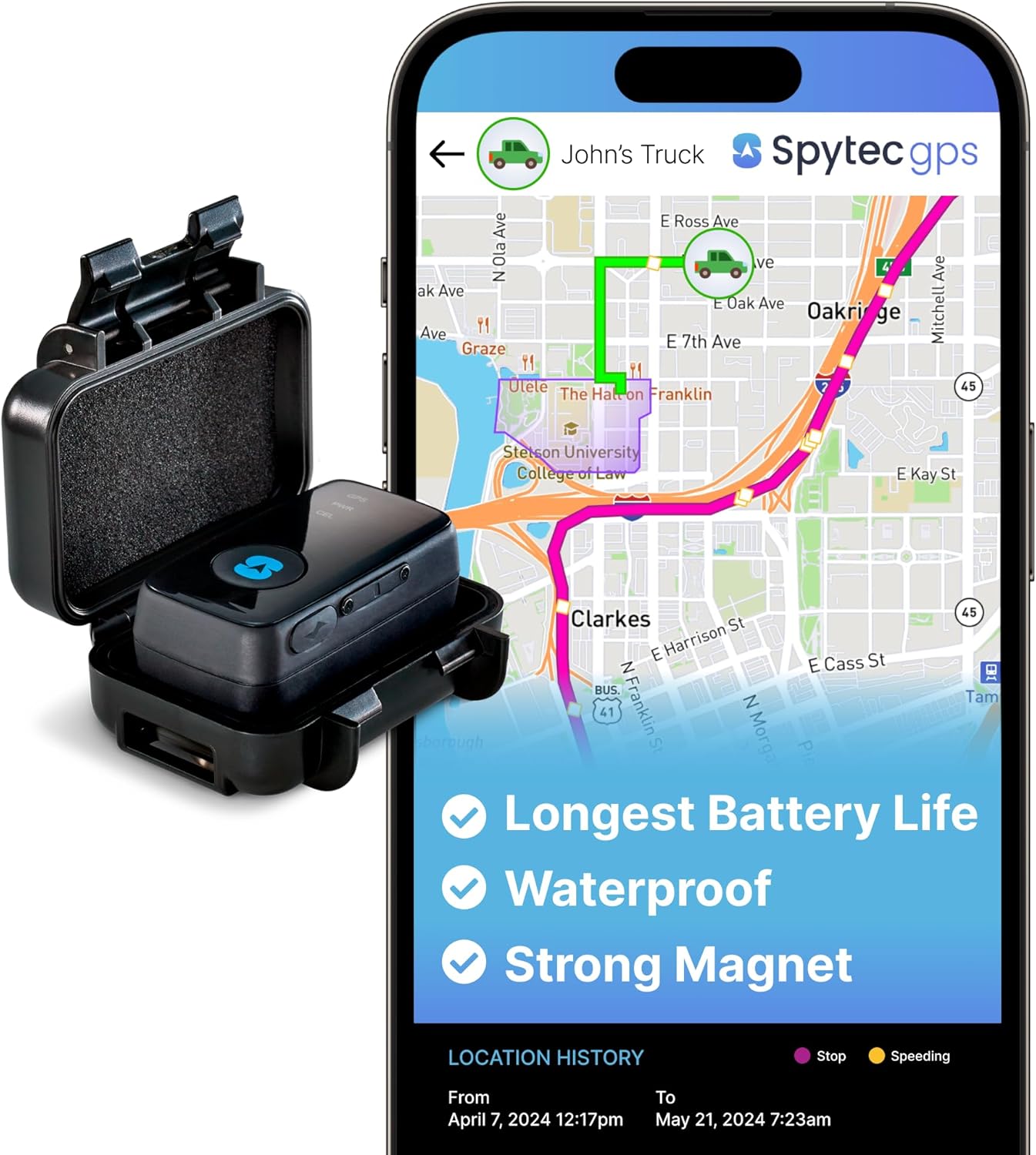
5. Spytec Atlas Mini GPS Tracker — Best Backpack GPS Tracker for Kids
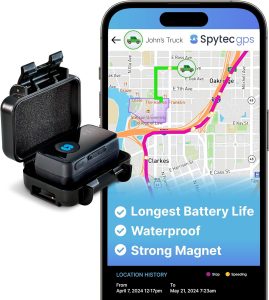
Backpack-based safety is the main use case for Spytec Atlas Mini GPS Tracker. The small unit stays inside a school bag, pocket, or pouch while adults monitor movement through the app.
Some kids remove watches, clips, or visible accessories during discomfort. Discreet carry reduces direct interaction with the tracker.
Shared location viewing helps during school pickup, therapy visits, family travel, or split supervision. A bag-based format is best for children keeping belongings nearby through most of the day.
Pros and Cons
| Pros | Cons |
|---|---|
| ✅ Best for backpack-based monitoring. | ❌ Backpack must stay nearby. |
| ✅ Shared viewing supports caregiver handoffs. | ❌ Subscription needed for live monitoring. |
| ✅ Long battery modes reduce charging. | |
| ✅ Good for discreet school tracking. |
Key features
- Live Links
- Hapn platform
- Update intervals
- Battery modes
- Travel coverage
- Safe-zone notice
- Arrival update
- Departure update
- Shared-link alert
What Should Parents Look for in a GPS Tracker for Children with Special Needs?
Choose a GPS tracker by matching safety features, carry style, battery needs, and monthly cost with the child’s routine.
Real-Time Location Updates
Live updates show movement during school routes, therapy visits, outings, and travel. Short refresh intervals matter during wandering risk, missed turns, or unfamiliar locations.
Geofence Zones
Virtual boundaries around home, school, therapy centers, or caregiver addresses trigger entry and exit notices. Safe zones reduce constant manual checking during routine transitions.
SOS Button
An emergency button gives the wearer a simple way to request help without making a full phone call. This matters for kids who feel overwhelmed, lost, or unable to explain their surroundings.
Battery Life
Long runtime prevents coverage gaps across school hours, outdoor routines, and travel days. Charging frequency should match household habits and caregiver schedules.
Comfortable Carry Style
Watches suit children who tolerate wrist wear, while pocket, pouch, or backpack carry suits sensory-sensitive users. Comfort should come before extra features because the child needs to accept the device.
Parent App Control
A parent app should show maps, route history, alert settings, and shared viewing without confusion. Multi-caregiver control helps during school pickup, therapy visits, family travel, or split supervision.
Subscription Cost
GPS trackers usually require a monthly plan for live service. Compare device price and service fee together before choosing.
Durability
Children’s routines can involve drops, weather, bags, pockets, and playground movement. Strong build quality or protective accessories help the tracker handle active use.
Which GPS Tracker Should You Choose for Your Child?
Match the device to wandering risk, sensory comfort, communication ability, caregiver schedule, and whether the child keeps a bag nearby.
Family1st Teen GPS Tracker
Family1st Teen GPS Tracker is the right pick for portable route visibility across school trips, therapy appointments, home zones, and outdoor routines. Hidden bag or pocket carry helps children who remove wristbands or visible accessories.
Tracki GPS Tracker
Tracki GPS Tracker fits a child needing the smallest carry option for a pouch, lanyard, or school bag. Lightweight design makes sense when sensory discomfort turns bulky devices into a distraction.
BrickHouse Spark Nano 7
BrickHouse Spark Nano 7 adds backup monitoring during trips, errands, crowded events, and caregiver handoffs. Zone notices and route updates help parents follow movement across several supervised locations.
TickTalk 5
TickTalk 5 belongs on the list for kids ready to wear a smartwatch and follow simple call steps. Voice contact, approved numbers, and SOS calling make it useful when communication matters as much as location.
Spytec Atlas Mini GPS Tracker
Spytec Atlas Mini GPS Tracker is strongest for backpack-based monitoring during school pickup, therapy visits, shared caregiving, or family travel. A bag-based setup is practical for children who keep belongings nearby through the day.
Final Verdict
Family1st Teen GPS Tracker is the best portable GPS tracker for children with special needs in 2026. Live updates, geofence notices, trip history, and hidden carry make it practical for school routes, therapy visits, outdoor routines, and caregiver supervision.
Tracki is a good choice for families needing the smallest carry option, while BrickHouse Spark Nano 7 adds backup coverage during trips, events, and multi-stop routines. TickTalk 5 suits kids ready for smartwatch communication, and Spytec Atlas Mini works well when backpack-based monitoring feels more comfortable than wrist wear.
Pick the tracker based on your child’s comfort, routine, communication ability, and wandering risk. A useful GPS tracker should reduce response time, support safer transitions, and fit into daily life without creating extra stress.
Frequently Asked Questions
Do GPS trackers work inside schools and buildings?
GPS signals become weaker indoors, especially inside large school buildings, hospitals, malls, or therapy centers. Trackers with Wi-Fi or cellular-based positioning usually give more useful indoor updates than GPS-only devices.
Should I tell my child about the GPS tracker?
Explain the tracker in a way that matches the child’s age, communication level, and comfort. Present it as a safety tool, not a punishment or control device.
Will a GPS tracker stop wandering?
A GPS tracker does not prevent wandering by itself. It helps caregivers find the child faster after movement outside a safe area.
What happens if the tracker loses signal?
Signal loss usually causes delayed updates, paused tracking, or a last-known-location view. Caregivers should treat the last known location as a starting point, not the child’s exact current position.
Can more than one caregiver track the same child?
Many GPS tracking apps allow shared viewing for parents, relatives, school pickup adults, or support caregivers. Shared access is useful when supervision changes during school, therapy, travel, or split-family routines.
Where should a tracker be placed for a sensory-sensitive child?
Bag, pocket, pouch, or hidden carry often feels less distracting than wrist wear. The safest spot is the one the child accepts consistently and keeps nearby through the day.
Share This Article