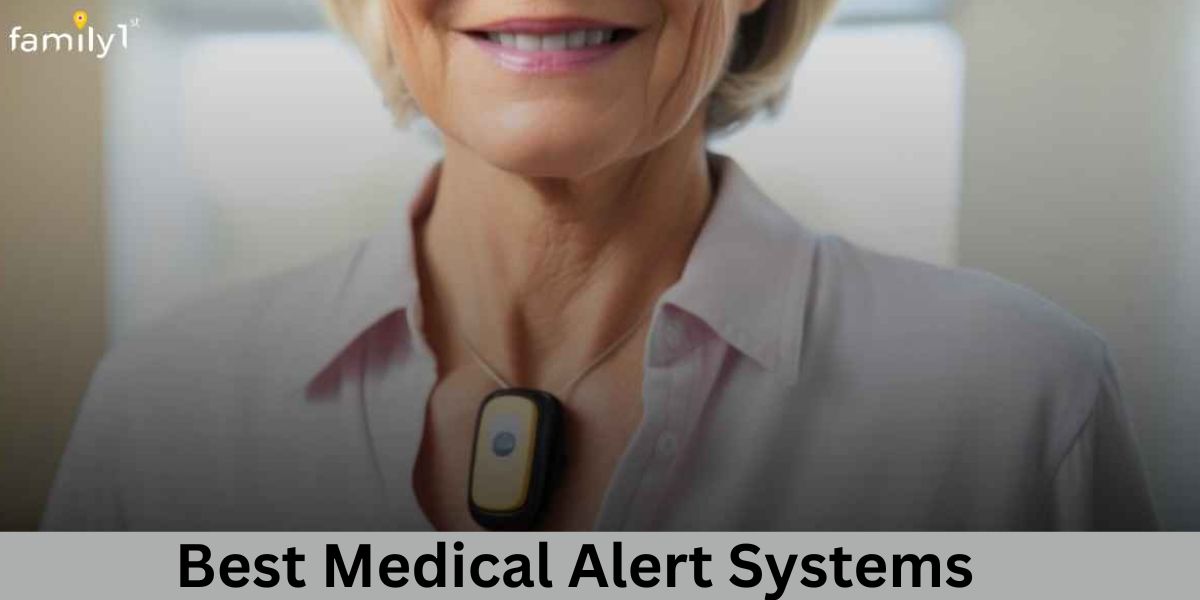
Medical alert systems connect older adults to urgent help via wearable buttons, home units, mobile pendants, and 24/7 monitoring centres. People living alone, recovering from health issues, or managing mobility concerns often rely on these systems for faster assistance throughout daily routines.
Selecting the right system depends on factors such as response speed, fall detection, GPS tracking, battery life, water resistance, caregiver access, and monthly cost. In-home models fit people who spend most of their time indoors, while mobile options provide coverage for errands, walks, appointments, and outdoor movement.
Safety planning becomes especially important as aging increases the risk of falls and memory-related emergencies. CDC reports that over 14 million adults aged 65 and older, or one in four older adults, fall every year in the United States, making reliable emergency access an important part of senior care decisions.
Our Best Picks For Elderly Medical Alert Devices
| Product | |||||
|---|---|---|---|---|---|
| Best For | Seniors with Dementia | Medical Alert Bracelet | Affordable Medical Alert Device | Home Landline System | Caregiver Integration |
| Ratings | 4.7 / 5 | 4.6 / 5 | 4.5 / 5 | 4.4 / 5 | 4.3 / 5 |
| Contact Number | 1-855-462-7819 | 800-785-1341 | 855-498-0608 | 800-800-2537 | 888-256-3227 |
| Price | Free device | $149.95 | Varies | $99.95 fee | $349.99 |
| Monthly Subscription | $29.95 / month | $38.95 / month | $29.95 / month | $27.95 / month | $59.99 / month |
| Unique Feature | GPS, WiFi, and fall detection | 1,400 ft in-home coverage range | Wearable remote activation | Landline-based emergency connection | Air quality and motion monitoring |
| JUMP TO PRODUCT | JUMP TO PRODUCT | JUMP TO PRODUCT | JUMP TO PRODUCT | JUMP TO PRODUCT |
How We Tested Medical Alert Devices?
Medical alert devices were tested by checking how they worked in normal senior safety situations, including home movement, outdoor use, emergency button presses, and daily wear. Setup time, button response, voice clarity, device comfort, battery life, and connection stability were reviewed to understand how dependable each system felt in real use.
Emergency response was tested by pressing the help button at different times and noting how quickly a live agent answered. Two-way communication was checked from rooms, yards, and open areas to see whether the user and responder could hear each other clearly in an urgent situation.
GPS-enabled systems were reviewed for location accuracy, caregiver alerts, fall detection, charging needs, and water resistance. Final rankings were based on response speed, safety features, ease of use, monthly cost, caregiver value, and overall reliability.
What Are the Types of Medical Alert Systems for Elderly People in 2026?
1. Family1st Belle+ - Best For Seniors with Dementia
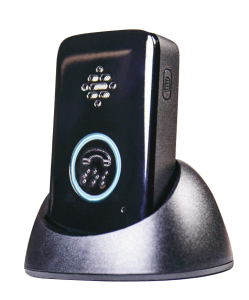
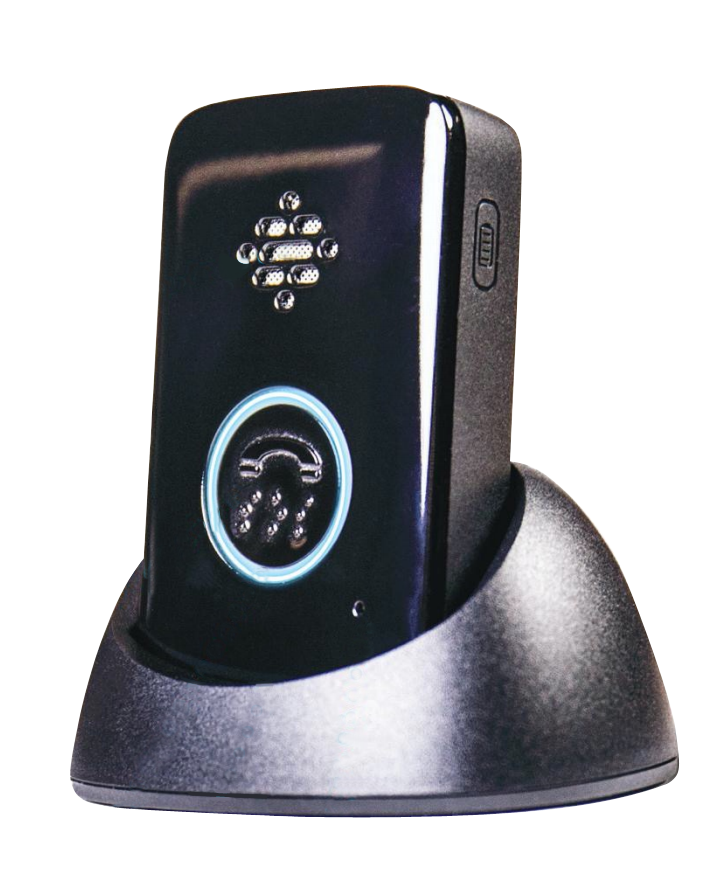
Testing showed Family1st Belle+ works best for seniors with dementia who may wander, freeze during emergencies, or forget how to call family. One press connected the pendant to a 24/7 response specialist, and the process stayed simple enough for users who need fewer steps in stressful moments.
GPS, WiFi, and cellular live location tracking helped cover situations where the wearer could not explain where they were. This was especially important for outdoor movement, confusion after leaving home, and moments when caregivers needed faster location details.
Fall detection added protection when pressing the button was not realistic after a sudden accident. Free device, two-way voice, Verizon 4G LTE coverage, IP67 showerproof build, and up to 7 days of battery life with affordable pricing made the device dependable for daily wear in bedrooms, bathrooms, yards, and short trips outside.
Pros and Cons
| Pros | Cons |
|---|---|
| ✅ Supports wandering-related safety needs | ❌ Coverage affects reliability |
| ✅ One-button calling reduces panic | ❌ Neckwear may be removed |
| ✅ Showerproof body protects bathroom use | |
| ✅ Longer battery lowers caregiver checks |
Key Features
- Fall signal
- No long contracts
- Free Device
- GPS tracking
- WiFi positioning
- Cellular triangulation
- Voice pendant
- Battery reminder
- Caregiver escalation
- Preloaded SIM
Product Information
| Specification | Details |
|---|---|
| Height | 2.80 inches |
| Width | 1.71 inches |
| Depth | 0.83 inches |
| Weight | 2.6 oz |
| Power | 1000mAh rechargeable battery with wall charger and cradle |
| Battery Backup | Up to 7 days |
| Range | Works anywhere in the United States with Verizon 4G LTE coverage |
| Water Resistance | IP67 showerproof |
2. Medical Guardian MGHome Cellular - Best Medical Alert Bracelet
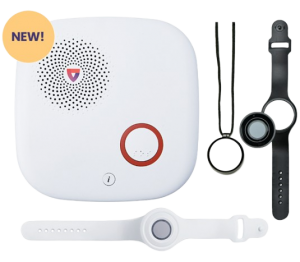
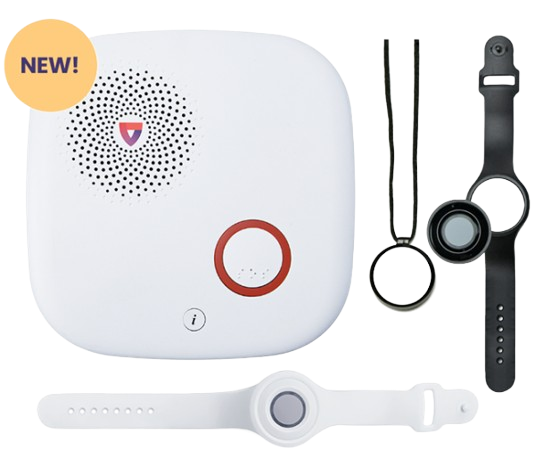
Medical Guardian MGHome Cellular felt best suited to older adults who stay mostly indoors and want a wearable help button with wide household reach. In household use, the bracelet paired quickly with the base unit, stayed secure, and remained comfortable through regular movement.
Emergency calls connected in under 30 seconds, and the base unit delivered loud two-way audio across nearby rooms. Range checks reached 1,400 ft across rooms, garage space, patios, and yard areas, which gave seniors coverage beyond one part of the house.
Backup power ran for over 30 hours in outage checks, keeping access active without electricity. Home-only coverage remains the main limitation, making it suitable for seniors needing indoor protection instead of mobile tracking.
Pros and Cons
| Pros | Cons |
|---|---|
| ✅ Bracelet stays secure indoors | ❌ Travel protection unavailable |
| ✅ Wide range covers yards | ❌ Base placement limits movement |
| ✅ Loud speaker improves conversations | |
| ✅ Backup power handles outages |
Key Features
- Wrist button
- Home console
- Status prompts
- Power notice
- Signal update
- Range coverage
- Outage backup
- Voice base
Product Information
| Specification | Details |
|---|---|
| Height | 2.3 Inches |
| Width | 6.4 Inches |
| Depth | 6.4 Inches |
| Weight | 1.27 lbs |
| Power | Wall outlet + Backup Battery |
| Battery Backup | Up to 32 hours |
| Range | 1,400 feet |
| Water Resistance | Yes (shower-safe) |
3. Bay Alarm SOS All-In-One 2 - Best For 24/7 Medical Alert Protection
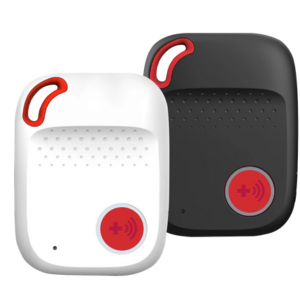
The Bay Alarm SOS All-In-One 2 is an effective solution for seniors requiring round-the-clock medical alert protection at home and outside. Setup felt simple, and the device handled daily movement across rooms, walks, errands, and appointments without adding extra steps.
Voice quality stayed clear in open spaces, and the 4G LTE connection remained stable through normal use. A wearable button made the system easier to manage because users did not have to hold the main unit throughout the day.
Tracking details helped responders find the user away from home. Battery life reached about two days with regular use, and optional GPS alerts, caregiver app updates, and automatic incident detection added extra coverage for people with higher risk levels.
Pros and Cons
| Pros | Cons |
|---|---|
| ✅ Continuous coverage beyond home | ❌ Add-ons increase monthly pricing |
| ✅ Companion button reduces carrying | ❌ Heavy usage drains faster |
| ✅ Clear audio outdoors | |
| ✅ Two-day charge supports routines |
Key Features
- LTE service
- SOS hub
- Dock charging
- App notice
- GPS boundary
- Mobile signal
- Charging warning
- Remote updates
Product Information
| Specification | Details |
|---|---|
| Height & Width | 2.44 in x 1.85 in |
| Depth | 0.66 in |
| Weight | 1.9 oz |
| Location Tech | GPS, Cellular, Wi-Fi |
| Battery Life | Up to 72 hours |
| Water Resistance | IP67 |
| Network | AT&T 4G LTE |
4. Medical Alert Home Landline System - Best Home Landline System
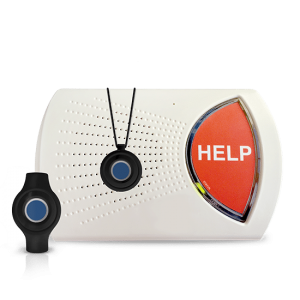
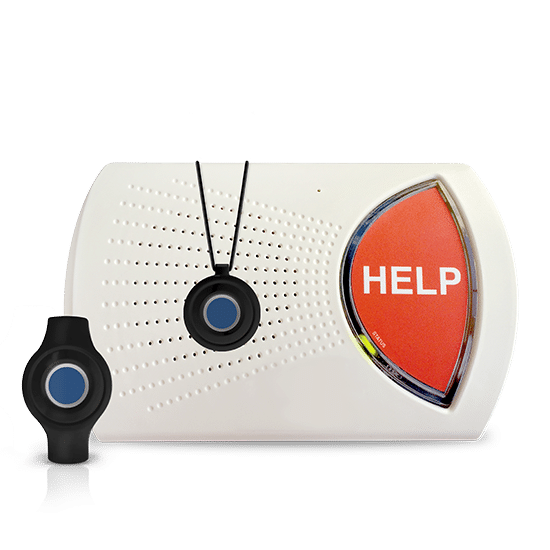
Medical Alert Home Landline System is a practical choice for seniors who spend most of their day indoors and prefer a familiar phone-based setup. Installation took only a few minutes, with no technical steps beyond linking the base unit to a standard home line.
Button checks reached a response agent quickly, and the speaker delivered clear audio from nearby spaces. Range testing covered about 800 ft across bedrooms, living areas, garage space, and the backyard without dropping the signal.
Wristband and pendant options gave users flexibility based on comfort and daily habits. Main tradeoff comes from staying tied to the house, so it works best for people who need simple in-home medical alert protection rather than mobile tracking.
Pros and Cons
| Pros | Cons |
|---|---|
| ✅ Familiar phone-line setup | ❌ Outdoor tracking unavailable |
| ✅ Household range reaches backyard | ❌ Programming fee adds upfront |
| ✅ Neckband option adds comfort | |
| ✅ Quick connection reduces setup |
Key Features
- Landline plug
- Base console
- Pendant option
- Wrist strap
- Battery warning
- Call confirmation
- Speaker unit
- Connection tone
Product Information
| Specification | Details |
|---|---|
| Coverage Range | Up to 800 feet |
| Connection Type | Landline |
| Battery Backup | Up to 30 hours |
| Water Resistance | Yes (shower-safe) |
| Wearable Options | Pendant and Wristband |
| Mobile App | Included |
| Support | 24/7 U.S.-Based Specialists |
| One-Time Fee | $99.95 (programming) |
5. Aloe Care Health - Best Caregiver Integration
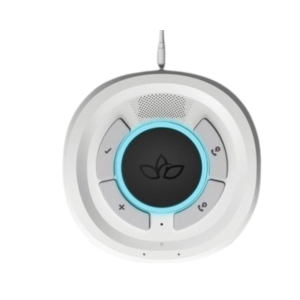
Aloe Care Health brought high value for families who share senior care responsibilities across multiple people. App updates, activity insights, and remote check-ins helped caregivers stay informed without calling or visiting every time.
Smart Hub and Mobile Companion 2 created a connected setup between the house and outside routines. Voice calling, help alerts, motion sensing, air quality readings, and temperature updates gave families a wider view of daily safety.
Caregiver coordination stood out in our review because multiple family members could follow updates from one app. Higher monthly pricing remains the main drawback, so this option works better for households needing close family involvement and remote monitoring.
Pros and Cons
| Pros | Cons |
|---|---|
| ✅ Shared profiles help families | ❌ Higher pricing strains budgets |
| ✅ Activity insights reduce calls | ❌ Monitoring depth may overwhelm |
| ✅ Smart sensors monitor surroundings | |
| ✅ Remote checks improve coordination |
Key Features
- Smart Hub
- Mobile Companion
- Care dashboard
- Motion reading
- Air warning
- Temperature alert
- Family updates
- Sensor notifications
Product Information
| Specification | Details |
|---|---|
| Included Hardware | Hub, Mobile Device, Care Button |
| Mobile Connectivity | 4G LTE Nationwide Coverage |
| App Support | iOS and Android (real-time updates) |
| Fall Response | Optional wearable trigger |
| Indoor Sensors | Motion, Temperature, VOC/CO2 |
| Two-Way Audio | Available via hub and mobile unit |
| Wi-Fi Requirement | Not required |
What is a Medical Alert System?
A medical alert system connects seniors to urgent help through a pendant, bracelet, clipped button, home base, or mobile unit. One press opens contact with a 24/7 response center, giving older adults a direct way to ask for assistance during falls, illness, confusion, or sudden discomfort.
Trained specialists speak through the device or base station, assess the situation, and contact emergency services, caregivers, or family members based on the need. This connection helps seniors living alone stay protected without relying on a nearby phone.
Modern medical alert systems may include GPS tracking, automatic incident detection, caregiver notifications, two-way voice, and water-resistant designs. Such features are especially useful for bathroom falls, outdoor routines, memory-related emergencies, and situations where a senior cannot explain their exact position.
What Are The Types of Medical Alert Systems?
Medical alert systems usually fall into two main categories: at-home models and on-the-go devices.
At-Home Medical Alert Systems
At-home medical alert systems are designed around household safety. A base unit connects through landline or cellular service, and a help button stays close through a wristband, neck pendant, or clip.
Coverage usually extends across bedrooms, living rooms, kitchens, garages, patios, and nearby yard space. This type works best for seniors spending most hours indoors and needing steady protection around the house.
On-The-Go Medical Alert Systems
On-the-go medical alert systems are built around mobility outside the house. Cellular service, GPS technology, speaker, and microphone allow direct contact with monitoring specialists during walks, errands, appointments, or social visits.
Mobile devices help active seniors keep protection beyond a home base. Many models also include caregiver updates, tracking tools, and automatic incident detection for moments involving confusion, disorientation, or inability to speak clearly.
How to Choose the Best Medical Alert System for Older Adults?
Right medical alert selection depends on lifestyle, health risks, home setup, caregiver needs, and total monthly cost.
Daily Routine
Seniors staying mostly indoors may need a home-based medical alert unit with a wide household range. People leaving home for walks, errands, appointments, or social visits need mobile protection with tracking and nationwide service.
Fall Risk
Fall risk should guide the level of protection needed. Seniors with balance issues, recent surgery, weakness, dementia, or Alzheimer’s may need automatic incident detection because pressing a button may not always be possible.
Caregiver Access
Caregiver tools matter for families needing updates without constant calls. App notifications, tracking details, battery reminders, and shared user access help families respond faster during confusion, missed check-ins, or unusual activity.
Battery Life
Battery life affects how consistently the device stays ready. Longer battery cycles reduce charging pressure, especially for seniors with memory loss or caregivers managing several daily responsibilities.
Water Resistance
Bathrooms are common fall-risk areas, so water resistance should not be ignored. Showerproof or water-resistant devices let seniors keep protection on during bathing instead of removing it at a risky time.
Total Cost
Total cost includes device price, monthly subscription, activation fees, add-ons, cancellation terms, and included safety attributes. Lower monthly pricing may not offer full value if key protections require extra charges.
Why Does Fall Detection Matter?
Fall detection matters because a fall can leave a senior unable to press the help button. Pain, shock, injury, confusion, or loss of consciousness can delay help at the moment quick response becomes important.
Older adults with balance problems, dementia, weakness, post-surgery recovery needs, or previous fall history face higher safety concerns. Automatic detection adds a backup layer when manual button pressing does not happen.
AHRQ reports that 700,000 to 1,000,000 people fall in U.S. hospitals every year, and about 1.3 million residents fall in nursing facilities annually. This makes fall detection useful for seniors needing extra protection in high-risk care settings, home routines, and assisted living environments.
How Much Do Medical Alert Systems Cost?
Medical alert systems usually cost between $20 and $60 per month, depending on device type, monitoring plan, and added safety features. In-home systems often cost less, while mobile devices with GPS tracking, caregiver tools, and automatic incident detection usually have higher monthly fees.
Upfront costs can also vary by provider. Some brands charge device fees, activation costs, or programming fees, while options like Family1st Belle+ offer a free device with a $29.95/month subscription.
Families should compare the total cost instead of looking only at the monthly price. Battery life, location technology, cancellation terms, caregiver access, and included safety features can change the real value of a medical alert system.
Which Medical Alert System Matches Your Needs?
Medical alert selection should follow the user’s lifestyle, memory condition, mobility level, home setup, and caregiver involvement.
1. Family1st Belle+
Family1st Belle+ serves seniors with dementia, Alzheimer’s, wandering risk, confusion, or higher fall concerns. GPS, WiFi, cellular tracking, two-way voice, and automatic fall detection help families locate the wearer and arrange assistance faster.
2. Medical Guardian MGHome Cellular
Medical Guardian MGHome Cellular works for older adults spending most of their day inside the house. Bracelet-based calling, wide household range, loud base audio, and backup power give coverage across bedrooms, kitchens, garages, patios, and yards.
3. Bay Alarm SOS All-In-One 2
Bay Alarm SOS All-In-One 2 supports seniors needing round-the-clock protection across indoor routines and outside activities. Mobile service, clear voice calling, tracking details, and app updates help during errands, walks, appointments, and independent outings.
4. Medical Alert Home Landline System
The Medical Alert Home Landline System matches seniors with a standard home phone line and limited outdoor activity. Phone-line connectivity, wristband and pendant choices, base speaker calling, and household range create simple in-home protection.
5. Aloe Care Health
Aloe Care Health helps families managing senior care from different places. Smart Hub monitoring, caregiver app updates, motion readings, air quality alerts, and shared profiles keep multiple family members informed without constant check-in calls.
Why Trust Us?
Our medical alert system reviews focus on real senior safety needs, not only product claims. Devices were checked for response speed, voice quality, range, battery performance, comfort, tracking accuracy, and daily practicality.
Testing covered home use, outdoor movement, bathroom safety, caregiver involvement, and situations involving falls, confusion, or limited mobility. Product rankings were shaped by how well each system matched a specific user need instead of listing features without context.
We also compared pricing, monitoring terms, device limitations, and care-related functions before choosing the final recommendations. This approach helps families understand which medical alert system fits their loved one’s routine, health risks, and support needs.
Final Verdict
Family1st Belle+ is the strongest choice for seniors with dementia, Alzheimer’s, wandering risk, or confusion-related safety concerns. GPS, WiFi, cellular tracking, fall detection, two-way voice, and long battery life make it a practical medical alert pendant for families needing both safety and location awareness.
Medical Guardian MGHome Cellular works well for older adults who spend most of their time indoors and prefer a bracelet-style help button. Bay Alarm SOS All-In-One 2 is a good match for seniors needing 24/7 medical alert protection across home routines, walks, errands, and appointments.
Medical Alert Home Landline System is suitable for users with a standard phone line and limited outdoor activity. Aloe Care Health is the right option for families wanting caregiver app updates, home activity insights, environmental readings, and shared monitoring across multiple family members.
Frequently Asked Questions
Yes, many medical alert systems work without a smartphone. Mobile pendants and home units can connect through cellular service, landline service, or a monitoring base, depending on the device type.
Home-based medical alert systems usually include backup battery power, but backup time varies by model. Mobile pendants run on rechargeable batteries, so regular charging is important for uninterrupted protection.
Some providers allow a second user, extra help button, or shared household plan. Families should confirm this before buying because pricing, device pairing, and monitoring rules differ by company.
Accidental button presses are usually handled without any issue. A response specialist speaks through the device, confirms the user is safe, and cancels the call if no help is needed.
Original Medicare usually does not pay for medical alert systems. Some Medicare Advantage plans, Medicaid programs, veterans’ benefits, long-term care insurance, or local senior agencies may offer partial help depending on eligibility.
Yes, many seniors wear a pendant or wrist button at night. Nighttime use is helpful for bathroom trips, dizziness, chest discomfort, or falls after getting out of bed.
Range depends on the system type, home layout, walls, and connection method. Some in-home models cover a few hundred feet, while wider-range systems may reach garages, patios, yards, and nearby outdoor areas.
Share This Article

