Bike GPS trackers give cyclists a way to monitor bicycles used for commuting, campus travel, delivery routes, apartment storage, public parking, and weekend rides. Live location, cellular coverage, motion alerts, geofencing, route history, battery life, weather protection, secure mounting, and app access work together to support bike security and recovery.
Locks help prevent theft, but they cannot show the bike’s location after someone takes it. GPS tracking provides the missing layer by sending location updates, movement warnings, safe-zone alerts, and travel records that assist owners in following the route and sharing recovery details.
Stolen bikes can pass through streets, garages, storage areas, or resale channels before the owner knows where to search. GPS trackers keep the bicycle visible after removal, giving riders movement history, alert records, and route evidence during the recovery process.
Our Best Picks For Bike GPS Trackers
| GPS Tracker | |||||||||
|---|---|---|---|---|---|---|---|---|---|
| Reviews | ★★★★☆ | ★★★★★ | ★★★★☆ | ★★★★☆ | ★★★★☆ | ★★★★☆ | ★★★★☆ | ★★★★☆ | ★★★★☆ |
| Best For | Overall Bike Theft Protection | Portable Tracking | Long Battery Use | Wet-Weather Rides | Compact Placement | Real-Time Monitoring | Alert-Heavy Tracking | Rugged Outdoor Use | Route History |
| Cost | $179 | $29.95 | $129 | $29.95 | $28.88 | $19.95 | $70.98 | $13.88 | $9.99 |
| Main Reason To Choose | Phone-call alerts, LTE-M tracking, eSIM support, and unauthorized movement detection make it useful for stolen-bike recovery. | Portable size, 14-day battery life, no contracts, affordable pricing, and app-based live location make it practical for bikes, bags, vehicles, and valuables. | Extended power performance, anti-theft alerts, and 4G LTE-M support suit riders who want fewer charging breaks. | Waterproof casing, magnetic attachment, fast updates, and SilverCloud app access fit outdoor parking and rainy conditions. | Small body, global coverage, speed notifications, geofence support, and mobile access work well where bike space is limited. | Frequent location refreshes, route history, movement alerts, and adjustable intervals help cyclists follow activity quickly. | SMS, email, and app notifications, zone warnings, and tamper updates suit riders who want active bike monitoring. | Durable construction, long battery support, waterproof protection, and equipment-grade tracking fit e-bikes, trailers, cargo cycles, and exposed storage. | 4G coverage, geofencing, speed alerts, phone notifications, and tracking reports help riders review movement records. |
| JUMP TO PRODUCT | JUMP TO PRODUCT | JUMP TO PRODUCT | JUMP TO PRODUCT | JUMP TO PRODUCT | JUMP TO PRODUCT | JUMP TO PRODUCT | JUMP TO PRODUCT | JUMP TO PRODUCT |
How We Tested GPS Trackers For Bikes?
Each tracker was placed on a bike and taken through city streets, quiet suburbs, and open roads to see how well it tracked location in real time. We looked for fast updates and accurate signals, even in crowded areas.
Setup was another key focus. We installed each device, paired it with its app, and used all main features like movement alerts and geofencing to see how simple and useful they really were.
Durability mattered too. Trackers were exposed to rain, drops, and rough rides to test their build. We also checked battery life and how responsive customer service was when we needed help.
What Are The 9 Best Bike GPS Trackers In 2026?
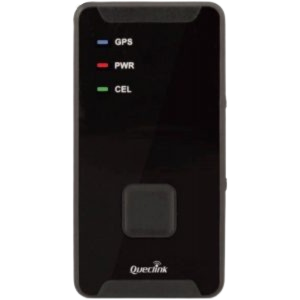
1. Monimoto 9 GPS Tracker — Overall Bike Theft Protection
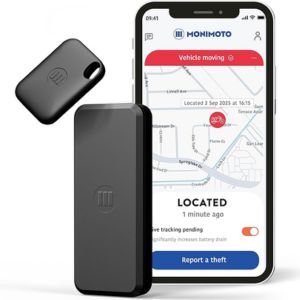
Monimoto 9 GPS Tracker focuses on the first moment a parked bicycle starts moving without permission. Its phone-call warning makes theft activity harder to ignore than a quiet push notification.
Paired key detection helps separate normal rider access from suspicious handling, reducing unnecessary warnings during everyday parking. Once unauthorized motion begins, the owner can check the bicycle’s direction before the situation becomes harder to manage.
Simple ride logging is not the reason to choose this model. Fast theft awareness and key-based recognition make it a strong choice for high-value bicycles parked in public or shared spaces.
Pros and Cons
| Pros | Cons |
|---|---|
| ✔Phone-call theft warning | ✖Not for ride logging |
| ✔Paired key recognition | ✖Requires service activation |
| ✔Strong LTE-M coverage | |
| ✔Fast theft response |
Key Features
- Built-in eSIM support
- Key-fob authorization system
- Unauthorized movement alert
- Phone-call theft notification
- App-based GPS coordinates
- Low-battery reminder
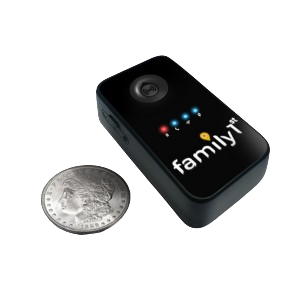
2. Family1st Portable GPS Tracker — Portable Bike Tracking
Family1st Portable GPS Tracker gives bicycle owners an affordable, portable option without a long-term contract. Placement works inside a saddle bag, frame pouch, under-seat storage space, or e-bike compartment without complicated installation.
Live bike tracking helps riders check position after parking, movement, or suspected theft. Zone alerts show boundary exits, while recent location history stays available through the mobile app for recovery support.
Rough surfaces may require firmer placement so vibration does not shift the unit. Simple setup, phone-based monitoring, and portable use make it practical for everyday cyclists who want control without a complex system.
Pros and Cons
| Pros | Cons |
|---|---|
| ✔No long-term contract | ✖Needs secure placement |
| ✔Portable bike placement | ✖Not hardwired for bikes |
| ✔Low upfront device cost | |
| ✔Simple phone monitoring |
Key Features
- 14-day battery life
- Real-time bike location
- Geofence exit alert
- Recent location history
- Movement notification
- Battery status alert
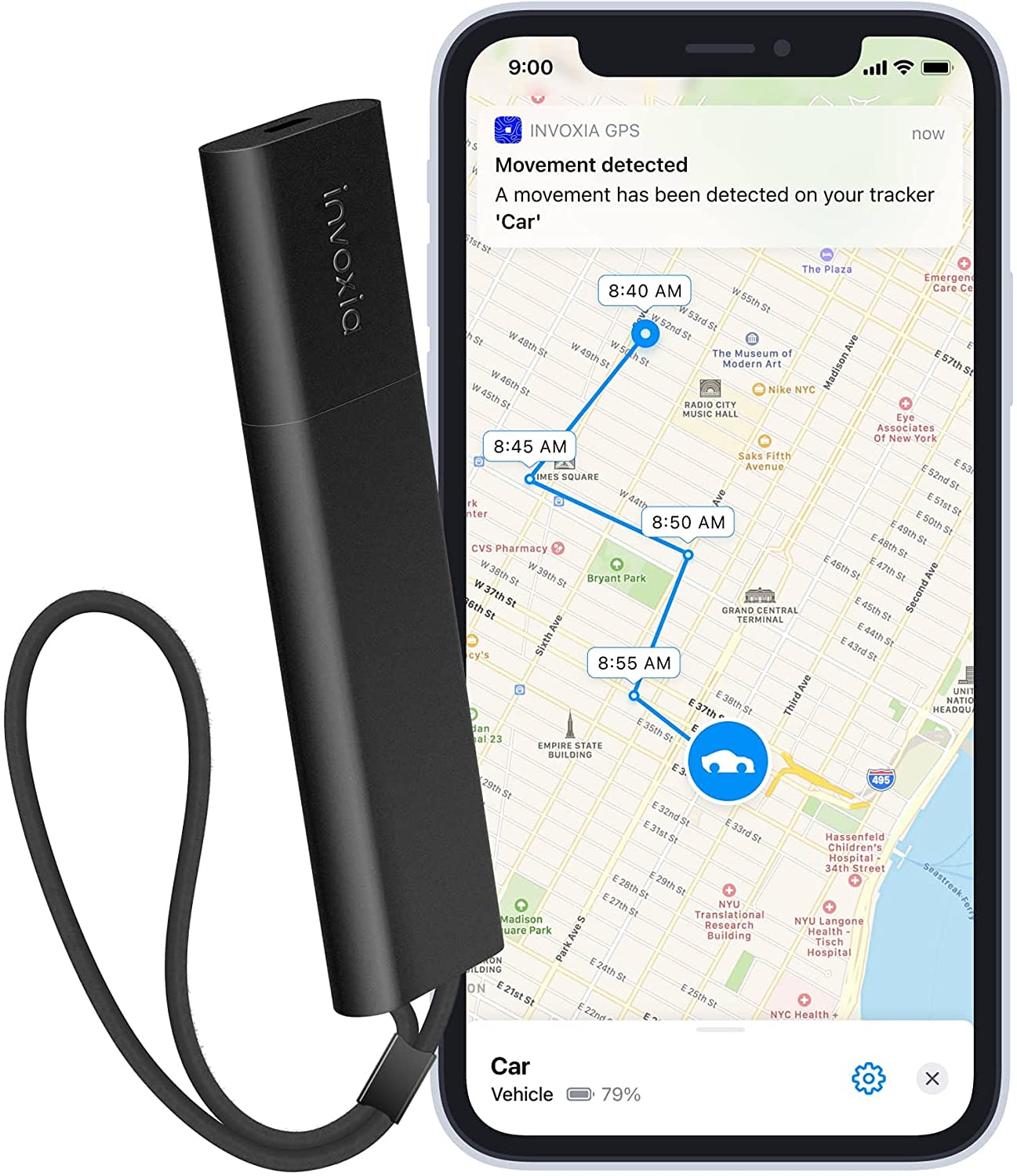
3. Invoxia Cellular GPS Tracker — Long Battery Use
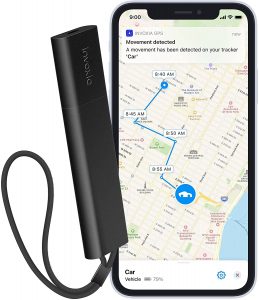
The Invoxia Cellular GPS Tracker is built for bicycles that stay parked through office hours, campus schedules, station stops, or apartment storage. Battery endurance reduces frequent removal, charging breaks, and maintenance interruptions.
Its slim body fits into common bicycle storage spaces without affecting normal rides. Cellular coverage provides access beyond short-range Bluetooth limits, which helps during longer-distance recovery.
Rapid refresh tracking is not its strongest purpose. Longer standby time and quiet monitoring make it useful for cyclists who leave bikes parked for extended periods.
Pros and Cons
| Pros | Cons |
|---|---|
| ✔Longer standby time | ✖Slower refresh intervals |
| ✔Slim bike storage fit | ✖Not for live pursuit |
| ✔Beyond Bluetooth range | |
| ✔Low charging frequency |
Key Features
- Low-power tracking system
- LTE-M network support
- Motion detection alert
- Battery-level notice
- Extended inactivity update
4. LandAirSea 54 GPS Tracker — Best Waterproof Bike Tracker
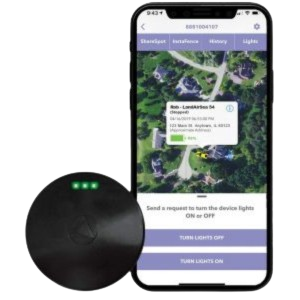
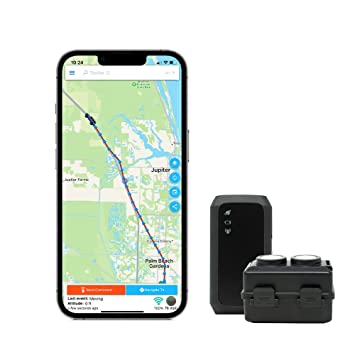
LandAirSea 54 GPS Tracker is made for bicycles exposed to rain, mud, damp racks, and outdoor parking. Waterproof casing protects the device during wet commutes and poor storage conditions.
Magnetic attachment can simplify placement on a suitable metal surface or compatible mounting accessory. SilverCloud access helps riders view bicycle position after it leaves the usual spot.
Visible mounting can make removal easier, so placement needs care. Water resistance and outdoor durability give this tracker its strongest role.
Pros and Cons
| Pros | Cons |
|---|---|
| ✔Waterproof outer casing | ✖Visible mount risk |
| ✔Magnetic bike attachment | ✖Subscription adds cost |
| ✔Strong outdoor durability | |
| ✔Clear SilverCloud access |
Key Features
- Waterproof exterior shell
- Built-in magnetic base
- Boundary-crossing alert
- Motion-activated notice
- Speed-related warning
- Power-status notification
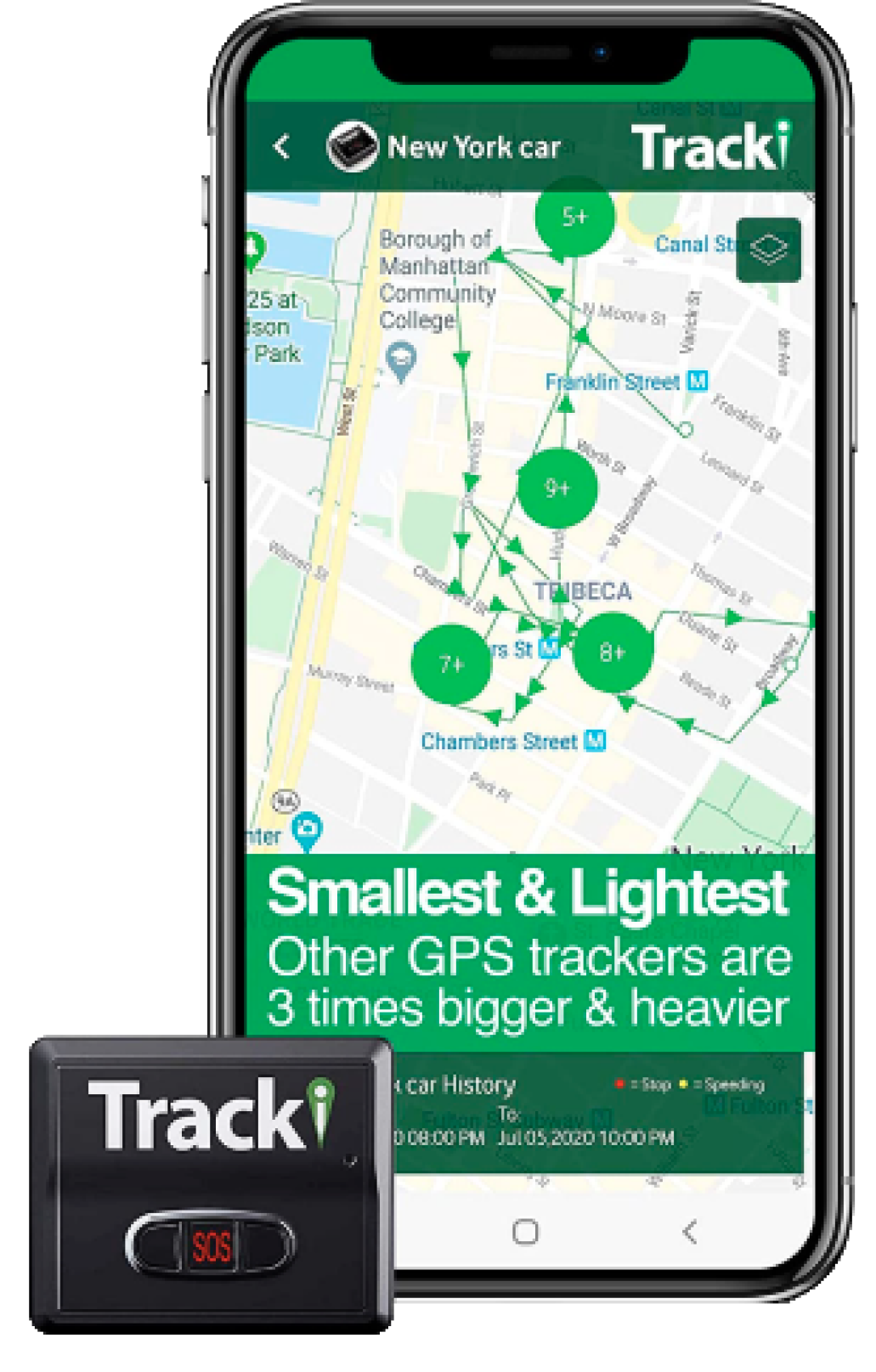
5. Tracki Mini GPS Tracker — Compact Bike Placement
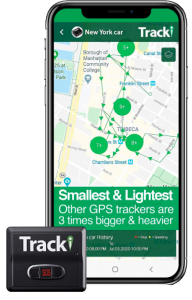
The Tracki Mini GPS Tracker works well on bicycles with limited placement space. Small frames, narrow saddle bags, handlebar pouches, and tight storage areas can hold it without noticeable weight.
Its main advantage is size, with support for speed notifications and basic bike movement updates. City commuters and students can add bike security without changing the feel of daily rides.
Frequent update settings can shorten battery life, so charging discipline matters. Compact placement gives this tracker its edge over models built for extended standby or heavier outdoor use.
Pros and Cons
| Pros | Cons |
|---|---|
| ✔Fits tight bike spaces | ✖Shorter battery under updates |
| ✔Lightweight on small frames | ✖Needs careful securing |
| ✔Useful speed notifications | |
| ✔Good student commuter fit |
Key Features
- Mini tracker body
- Built-in SIM support
- Worldwide GPS/GSM coverage
- Speed alert function
- SOS button alert
- Device-removal warning
6. Optimus 3.0 GPS Tracker — Real-Time Bike Monitoring
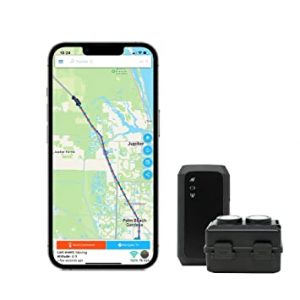
Optimus 3.0 GPS Tracker fits cyclists who need faster location refreshes after unexpected movement. Adjustable intervals help follow the bicycle more closely during possible theft or active monitoring.
Route history adds context beyond one map point by showing where the bicycle has traveled. That detail helps riders review streets, parking areas, and stops before deciding what action to take.
Higher refresh rates use batteries faster, so settings should match parking risks. Live visibility is the main reason to choose it over trackers built mainly for standby time.
Pros and Cons
| Pros | Cons |
|---|---|
| ✔Adjustable refresh intervals | ✖Faster updates drain battery |
| ✔Strong route playback | ✖Needs interval management |
| ✔Active movement visibility | |
| ✔Useful campus parking |
Key Features
- Custom update frequency
- Historical route playback
- Movement start alert
- Stop-duration alert
- Speed-threshold warning
- Desktop dashboard access
7. Americaloc GL300 MXW — Alert-Based Bike Tracking
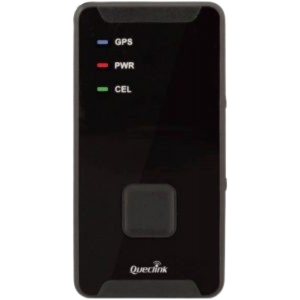
The Americaloc GL300 MXW is built around notifications instead of passive map checking. Geofence exits, motion activity, zone changes, and possible tampering can trigger warnings.
Office parking areas, apartment garages, campus racks, and shared bicycle rooms benefit from quick notice delivery. SMS, email, and app messages give riders several ways to catch suspicious activity.
Poorly tuned settings can create too much noise, so alert control matters. Its main value is active security communication rather than basic location checks.
Pros and Cons
| Pros | Cons |
|---|---|
| ✔Multiple warning channels | ✖Too many notifications |
| ✔Tamper-focused updates | ✖Older interface feel |
| ✔Strong zone controls | |
| ✔Shared storage friendly |
Key Features
- SMS alert delivery
- Email alert delivery
- Custom zone management
- Tamper alert
- Zone-entry warning
- Zone-exit warning
8. Trak-4 GPS Tracker — Rugged Outdoor Bike Use
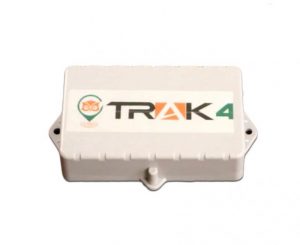
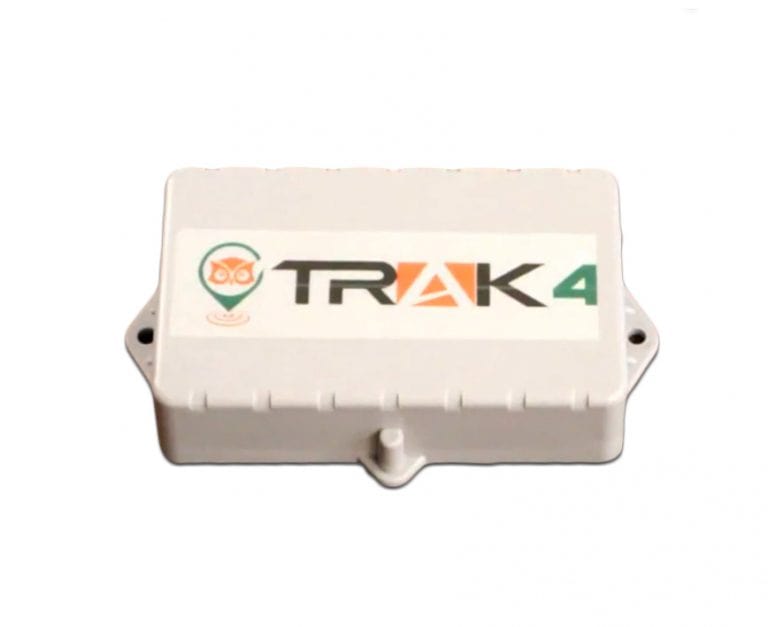
The Trak-4 GPS Tracker fits bicycles exposed to rough storage, open parking, and demanding daily use. Rugged construction matters for e-bikes and heavier commuter bicycles where strength is more important than appearance.
Weather protection helps with outdoor storage, rain exposure, dust, and road vibration. Longer battery support also helps owners who cannot recharge a tracker often.
A slim road bike may not suit its larger body. Toughness, outdoor readiness, and operating endurance make it practical for bicycles kept in harsh conditions.
Pros and Cons
| Pros | Cons |
|---|---|
| ✔Handles rough storage | ✖Larger body size |
| ✔Good for heavier e-bikes | ✖Poor road-bike fit |
| ✔Longer battery support | |
| ✔Weather-ready construction |
Product Highlights
- Heavy-duty outer housing
- Weather-protected construction
- Scheduled location report
- Low-charge alert
- Movement activity notice
- Saved-area departure alert
9. Brickhouse Security Spark Nano 7 — Bike Route History
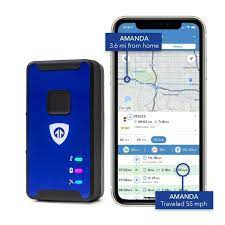
Brickhouse Security Spark Nano 7 helps when recovery depends on knowing where a bicycle traveled before reaching its current point. Route history, location timelines, and tracking reports provide deeper context than a single map position.
Dashboard records can show movement patterns, stop points, speed changes, and saved-zone activity after unauthorized use. Direction shifts and repeated stops become easier to review during recovery.
Service costs may feel unnecessary for cyclists who only need basic location checks. Detailed route evidence and reporting make this tracker useful for riders who want a clearer record after bike movement.
Pros and Cons
| Pros | Cons |
|---|---|
| ✔Detailed route records | ✖Service fees add up |
| ✔Useful recovery reports | ✖Excessive for casual riders |
| ✔Clear dashboard view | |
| ✔Strong history review |
Key Features
- Route timeline review
- Tracking report generation
- Geofence record alert
- Speed-change alert
- Movement-history notification
- 4G North America coverage
How Do You Choose The Best GPS Device For Your Bike?
Choosing the right bike GPS tracker depends on parking risk, riding routine, theft concerns, battery needs, and where the device can be placed safely.
Check Tracking Accuracy
Tracking accuracy matters most after a bicycle moves from its parking spot. GPS and cellular coverage help riders follow the bike beyond short Bluetooth range.
Review Battery Life
Battery life should match how long the bicycle stays parked between rides. Commuters, students, and e-bike owners may need longer standby time to avoid frequent charging.
Compare Alert Options
Alert options should match the rider’s security needs. Phone-call warnings, geofence exits, motion notices, tamper updates, and speed alerts all help in different theft situations.
Look At Placement Choices
Placement affects both signal strength and theft protection. Saddle bags, frame pouches, under-seat spaces, e-bike compartments, and protected mounts are common bike-friendly options.
Check Weather Protection
Weather protection matters for bicycles parked outside or used in rain. Water resistance, sealed casing, and vibration tolerance help the tracker survive daily riding conditions.
Understand Subscription Cost
Subscription cost affects long-term ownership because most GPS trackers use cellular networks. Compare device price, monthly fees, contract rules, cancellation terms, and included tracking features before choosing.
Who Needs Which Bike GPS Tracker?
Different bike GPS trackers serve different rider needs, so selection depends on parking habits, charging routine, weather exposure, theft risk, and the level of recovery detail required.
Monimoto 9 GPS Tracker
Monimoto 9 is the right match for high-value bicycles parked near public racks, apartment garages, or shared storage areas. Phone-call warnings and paired key detection help riders notice unauthorized movement quickly instead of discovering the problem later.
Family1st Portable GPS Tracker
Family1st Portable GPS Tracker fits daily bike owners who want portable tracking without a long-term contract. Real-time location, geofence control, and phone-based monitoring work well from a saddle bag, frame pouch, under-seat space, or e-bike compartment.
Invoxia Cellular GPS Tracker
Invoxia Cellular works well for bicycles left parked through office hours, campus schedules, station stops, or apartment storage. Extended standby time matters here because the tracker can stay active longer without frequent charging breaks.
LandAirSea 54 GPS Tracker
LandAirSea 54 suits bicycles exposed to rain, mud, uncovered racks, or damp storage spaces. Weather-focused protection helps cyclists who ride in poor conditions or park outside often.
Tracki Mini GPS Tracker
Tracki Mini belongs on bicycles with limited storage room. Small frames, narrow saddle bags, handlebar pouches, and tight frame pockets benefit from a tracker that adds little bulk.
Optimus 3.0 GPS Tracker
Optimus 3.0 fits riders who need faster location refreshes after unexpected bicycle movement. Live tracking and route context help around transit stops, campus racks, and busy commuter parking areas where bikes can disappear quickly.
Americaloc GL300 MXW
Americaloc GL300 MXW serves bicycle owners who prefer detailed security notifications over manual map checking. SMS, email, and app warnings work well for garage parking, office zones, and shared bike rooms.
Trak-4 GPS Tracker
Trak-4 is better suited to e-bikes and heavier commuter bicycles stored outside or used in rougher daily conditions. Rugged construction, weather protection, and longer operating time matter more here than a slim frame fit.
Brickhouse Security Spark Nano 7
Brickhouse Security Spark Nano 7 helps when recovery depends on reviewing where the bicycle traveled. Route timelines, movement reports, and dashboard records help identify stops, direction changes, and activity history after unauthorized use.
Why Trust Us?
Bike GPS trackers in this guide were tested on real bicycles across city streets, open roads, parking areas, rough surfaces, and outdoor routes. Evaluation covered tracking accuracy, battery performance, mounting security, weather handling, alert response, and app usability under normal riding conditions.
Product recommendations come from hands-on performance checks rather than manufacturer claims alone. Location updates, signal consistency, setup process, ride stability, and recovery-focused functions were compared independently to keep results fair.
Riders need GPS trackers that match their bicycle type, parking risk, charging routine, and theft-protection needs. Insights shared here come from practical bike use, measurable tracking behavior, and comparison points that matter during everyday riding and recovery situations.
Final Verdict
Selection should depend on riding routine, parking risk, battery expectations, weather exposure, and recovery needs. Monimoto 9 leads for theft-focused protection, while Family1st Portable GPS Tracker fits cyclists who want portable tracking, no long-term contract, and simple phone-based control.
Invoxia Cellular suits long parking hours, LandAirSea 54 handles wet-weather exposure, and Tracki Mini fits bicycles with limited storage space. Optimus 3.0 works well for faster location refreshes, Americaloc GL300 MXW supports alert-heavy monitoring, Trak-4 serves rugged outdoor use, and Brickhouse Security Spark Nano 7 helps riders review route history after unauthorized movement.
Bike locks help reduce theft risk, but GPS trackers add visibility after a bicycle leaves its parking spot. Bike GPS tracker choice should match where the bike is parked, how often it is used, how quickly updates are needed, and how much recovery detail the rider wants.
Frequently Asked Questions
Can A GPS Tracker Help Recover A Stolen Bike?
Yes, GPS trackers can help by showing where a bicycle moves after leaving its parking spot. Location updates, movement records, and zone alerts give riders useful details during recovery.
Where Should I Put A GPS Tracker On A Bike?
Good placement areas include a saddle bag, frame pouch, under-seat space, handlebar bag, or e-bike compartment. The tracker should stay secure, remain difficult to notice, and still maintain signal access.
Do Bike GPS Trackers Need A Subscription?
Most bike GPS trackers need a subscription because cellular networks send location data to the app. Plan cost, update speed, cancellation terms, and included alerts should be checked before choosing.
Do Bike GPS Trackers Need A Subscription?
Most bike GPS trackers need a subscription because cellular networks send location data to the app. Plan cost, update speed, cancellation terms, and included alerts should be checked before choosing.
Is A GPS Tracker Better Than An AirTag For Bikes?
Yes, GPS trackers are better for stolen-bike recovery because they use GPS and cellular networks. AirTags depend on nearby Apple devices, so they work better as backup finders than primary bike-theft trackers.
How Long Does A Bike GPS Tracker Battery Last?
Battery life depends on tracker size, update frequency, network use, and alert settings. Some devices last a few days with frequent updates, while long-standby models can run for weeks or months.
Can Thieves Remove A Bike GPS Tracker?
Yes, a visible tracker can be removed if it is easy to find. Better placement inside a pouch, under-seat area, frame bag, or e-bike compartment helps reduce that risk.
Share This Article