Dead batteries, loose plug-ins, and delayed alerts can turn vehicle tracking into guesswork. Hardwired GPS trackers avoid that issue by connecting to the vehicle’s power system and sending continuous location data without regular charging.
Reliable hardwired GPS trackers should deliver real-time location updates, route history, geofence alerts, ignition status, and tamper notifications from one connected device. Cars need theft visibility, trucks need route accountability, and SMB fleets need consistent oversight across multiple daily trips.
Fleet tracking in 2026 is closely tied to compliance, driver accountability, and vehicle activity records. FMCSA says electronic logging devices synchronize with a commercial vehicle’s engine and automatically record data such as driving time, location information, engine hours, vehicle miles, and driver identification.
Our Best Picks For Hardwired GPS Trackers
| Product | |||||
|---|---|---|---|---|---|
| Rating | 4.8/5 | 4.6/5 | 4.5/5 | 4.7/5 | 4.6/5 |
| Best For | Best For SMB Fleets | Best Hardwired GPS Tracker For Cars | Best For Enterprise Fleet Tracking | Best For Advanced Fleet Telematics | Best For Heavy-Duty and Mixed Fleets |
| Device Price | $50 | $189.99 | Quote-Based | $99–$148 | Included in Subscription Under Geotab GO Plans |
| Monthly Plan | $14.95/month | 12 Months Included; Plans Start at $29.99/month After Service Renewal | $35–$55 | $27–$33 | Quote-Based Through Geotab or Reseller |
| JUMP TO PRODUCT | JUMP TO PRODUCT | JUMP TO PRODUCT | JUMP TO PRODUCT | JUMP TO PRODUCT |
How We Picked the Winners?
We began with hardwired GPS trackers from established brands that actively serve car owners, small businesses, commercial fleets, or heavy-duty operators. Product names, wiring type, service plans, tracking features, and public pricing were checked against official sources wherever the brands made those details available.
Brand authority mattered, but it was not the only filter. Upfront cost, monthly service fees, installation difficulty, alert quality, software depth, vehicle compatibility, and long-term fleet usability all influenced the final ranking.
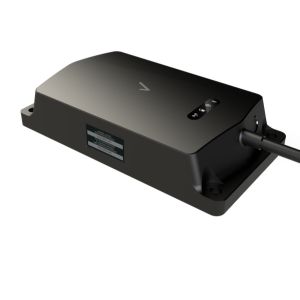
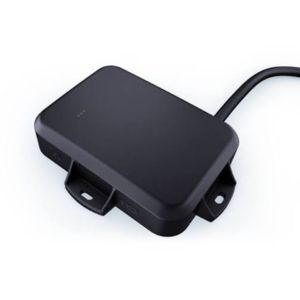
No single tracker fits every vehicle owner or fleet manager. Matrack was matched to SMB fleets, BrickHouse to cars, Verizon Connect to enterprise operations, Samsara to advanced telematics, and Geotab to heavy-duty or mixed fleets.
What Are The Best Hardwired GPS Trackers In 2026?
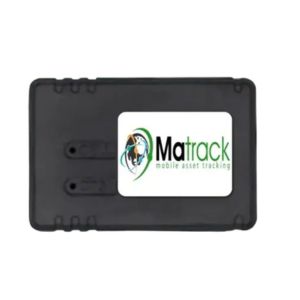
1. Matrack MA Hardwire Classic – Best For SMB Fleets
Matrack MA Hardwire Classic is a strong fit for small and midsize fleet operators that want permanent GPS oversight without moving into a heavy enterprise platform. Discreet wiring, 4G LTE connectivity, and tamper-resistant placement make it practical for service crews, contractors, regional delivery routes, and local transport teams.
From a buyer’s perspective, flexibility is the main advantage. A growing business can start with affordable hardwired vehicle tracking, then expand within the broader fleet ecosystem toward ELD compliance, HOS support, IFTA-related needs, and dash cam bundles as operations become more regulated or safety-focused.
Flexible plan options also matter for SMB fleets that want to prove value before committing to a larger rollout. For companies comparing affordability, compliance readiness, and upgrade paths, the setup offers a cleaner route than many enterprise-first platforms.
Pros and Cons
| Pros | Cons |
|---|---|
| ✅ SMB fleets avoid enterprise software weight | ❌ Professional installation may be needed |
| ✅ Tamper-resistant placement reduces removal risk | ❌ Add-ons require careful plan selection |
| ✅ ELD expansion supports regulated growth | |
| ✅ Dashcam bundles support safety upgrades |
Key Features
- Hardwired OBD setup
- 4G LTE
- ELD ecosystem
- HOS support
- IFTA support
- Mobile apps
- Ignition alerts
- Tow alerts
- Low battery
- Maintenance alerts
- SMS alerts
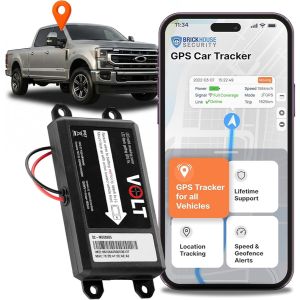
2. BrickHouse Security LiveWire Volt – Best Hardwired GPS Tracker For Cars
Car owners usually care more about quiet protection than fleet dashboards. Built around a two-wire battery connection, BrickHouse Security LiveWire Volt works well for personal cars, family vehicles, company cars, and light business use.
Security is its clearest strength. Real-time location, geofence zones, motion alerts, and speed alerts help owners react faster if a car moves unexpectedly, leaves a set area, or shows unusual driving activity.
Large dispatch operations will outgrow its feature depth, but car owners are not buying it for workforce analytics. Permanent placement, hidden wiring, and fewer charging worries make it a practical choice for long-term vehicle protection.
Pros and Cons
| Pros | Cons |
|---|---|
| ✅ Two-wire design suits hidden install | ❌ Not meant for dispatch operations |
| ✅ Car-focused protection avoids fleet complexity | ❌ Limited for analytics-heavy fleet management |
| ✅ Lifetime support adds ownership confidence | |
| ✅ Strong fit for light business vehicles |
Key Features
- Two-wire connection
- DIY installation
- Phone app
- Desktop access
- Battery-powered wiring
- Concealed placement
- Theft alerts
- Motion alerts
- Geofence exits
- Speed alerts
- Unauthorized movement
3. Verizon Connect Reveal – Best For Enterprise Fleet Tracking
Enterprise fleets usually deal with more than vehicle location; coordination across drivers, jobs, service windows, and mobile teams becomes the harder challenge. Verizon Connect Reveal combines near real-time tracking with dispatch tools, route planning, driver behavior insights, maintenance visibility, reporting, and management dashboards.
Multi-location service groups can compare idle time, route patterns, field performance, and workforce activity across many vehicles. Instead of treating tracking as a standalone function, the platform connects road behavior with productivity, customer service, and cost control.
Buying and onboarding are more involved than a simple hardwired tracker purchase. Companies considering this type of platform should already have enough scale to benefit from centralized oversight, structured reporting, and deeper administrative controls.
Pros and Cons
| Pros | Cons |
|---|---|
| ✅ Enterprise teams get centralized fleet control | ❌ Onboarding can feel more involved |
| ✅ Multi-location reporting supports larger operations | ❌ Smaller fleets may overbuy functionality |
| ✅ Dispatch tools improve field coordination | |
| ✅ Route planning supports service efficiency |
Key Features
- Fleet map
- Driver insights
- Maintenance visibility
- Field scheduling
- Route tools
- Management dashboards
- Idling alerts
- Harsh driving
- Late starts
- Long stops
- Diagnostic codes
- HOS violations
4. Samsara VG55 Vehicle Gateway – Best For Advanced Fleet Telematics
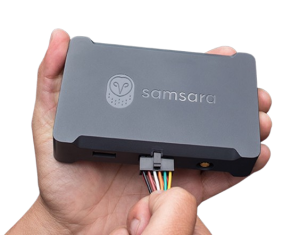
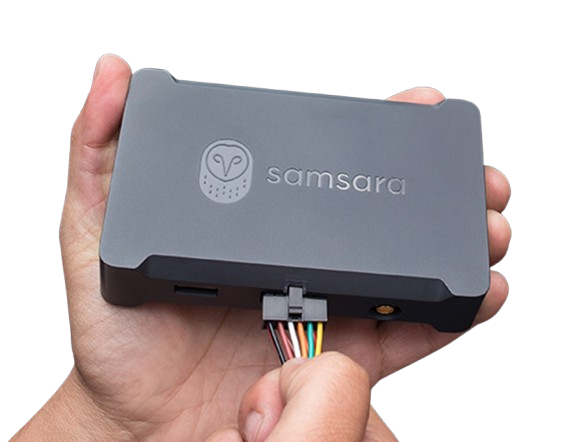
Samsara VG55 Vehicle Gateway works more like a connected operations hub than a basic locator. Live GPS data connects with diagnostics, FMCSA-registered ELD capability, routing tools, fuel insights, maintenance records, driver activity, and analytics.
Its strength comes from linking different fleet signals across routes, shifts, and assignments. Logistics teams, regulated carriers, and expanding service operations can review asset performance, driver behavior, delay patterns, and maintenance signals from one telematics ecosystem.
Expansion potential makes the gateway suitable for teams building a long-term technology stack. Dashcams, sensors, workflows, reports, and driver tools can be added over time as operating demands become more complex.
Pros and Cons
| Pros | Cons |
|---|---|
| ✅ Strong base for connected operations | ❌ Overbuilt for basic car tracking |
| ✅ Telematics depth supports regulated carriers | ❌ Best with wider platform adoption |
| ✅ Camera ecosystem supports safety expansion | |
| ✅ Analytics connect drivers, assets, workflows |
Key Features
- Sensor platform
- Remote diagnostics
- FMCSA ELD
- Fuel insights
- Camera compatibility
- Cloud data
- Harsh braking
- Harsh acceleration
- Harsh turning
- Crash events
- Distracted driving
- Following distance
5. Geotab GO9 RUGGED – Best For Heavy-Duty and Mixed Fleets
Harsh worksites reveal weak trackers quickly, especially across construction machinery, agricultural assets, utility trucks, oil field vehicles, and jobsite equipment. Geotab GO9 RUGGED earns its place in this category by focusing on heavy-duty environments rather than standard car tracking.
Rugged build quality is only part of its appeal. GPS coverage, LTE communication, g-force monitoring, IOX expandability, and engine or battery health data help teams maintain a clearer field view of trucks, machinery, and powered assets.
Personal car owners are not the audience for hardware built around rough operating conditions. Heavy-duty operators benefit more from machinery-focused tracking, mixed-asset coverage, and rugged telematics support.
Pros and Cons
| Pros | Cons |
|---|---|
| ✅ Rugged build handles harsh worksites | ❌ Not practical for personal cars |
| ✅ Strong match for powered equipment | ❌ Reseller setup complicates configuration choices |
| ✅ Expandability supports mixed-asset operations | |
| ✅ Heavy-duty telematics improve field awareness |
Key Features
- Rugged hardware
- IOX expandability
- LTE communication
- G-force monitoring
- Engine health
- Battery health
- Driver infractions
- Live coaching
- G-force events
- Engine warnings
- Battery warnings
- Trip incidents
What Features Should You Look For In A Hardwired GPS Tracker?
Best hardwired GPS trackers should be compared by power stability, signal reliability, alert quality, software depth, and long-term fit.
Discreet Installation
Hidden placement reduces removal risk and keeps wiring out of sight. Choose a spot behind the dashboard, near the fuse panel, or another concealed area that still allows GPS and cellular reception.
Stable Vehicle Power
Direct power is the main reason buyers choose wired trackers over portable devices. A steady electrical connection helps prevent charging gaps, missed pings, and downtime on long routes.
Real-Time Location Accuracy
Location updates must be fast enough for theft response, route checks, or dispatch decisions. Slow refresh rates can weaken tracking during highway travel, city driving, or jobsite movement.
Geofence Control
Geofencing creates virtual boundaries around homes, offices, warehouses, yards, or service zones. Boundary alerts help flag unauthorized trips, missed stops, and after-hours use.
Ignition and Movement Data
Ignition status shows starts, stops, and off-hour activity. Fleet managers can separate normal route behavior from towing, misuse, or unapproved driving.
Tamper Protection
Tamper protection matters for shared vehicles, theft-prone assets, or driver-managed units. Strong devices notify owners when power disconnects, wiring changes, or reporting stops unexpectedly.
Driver and Route Insights
Route history, stop duration, speeding events, idle time, and behavior reports give managers more than map dots. These details help review performance, reduce waste, and improve accountability.
Fleet Software and App Access
Tracking data should be simple to read from desktop and mobile dashboards. App access, user permissions, exports, reports, and role-based controls become more important as fleet size grows.
Diagnostics and Compliance Support
Commercial fleets may require more than basic GPS coverage. ELD support, HOS logs, IFTA-related reports, maintenance visibility, and diagnostic data help regulated operations stay organized.
Plan Flexibility
Service plans affect ownership cost beyond device price. Buyers should check contract length, cancellation rules, data refresh rates, included tools, support access, and upgrade options before choosing a tracker.
Which Hardwired GPS Tracker Should You Choose?
Right tracker choice depends on whether your priority is car security, SMB fleet control, enterprise coordination, advanced telematics, or heavy-duty durability.
Matrack MA Hardwire Classic
Small and midsize fleet owners get the strongest fit here. Service crews, contractors, delivery teams, and local transport operators can use it for permanent GPS oversight while keeping room for ELD, HOS, IFTA-related support, and dash cam bundle expansion.
BrickHouse Security LiveWire Volt
Personal cars, family vehicles, company cars, and light business vehicles need a different kind of tracker than commercial fleets. Hidden wiring, theft alerts, geofence checks, and motion updates make this option more practical for car-focused protection than a full fleet platform.
Verizon Connect Reveal
Large operations usually need coordination across drivers, routes, jobs, and service windows. This platform fits enterprise teams that want dispatch support, route planning, centralized reporting, driver insights, and management dashboards in one fleet environment.
Samsara VG55 Vehicle Gateway
Location tracking alone may not be enough for regulated carriers, logistics teams, or growing service fleets. This gateway supports a deeper telematics stack with diagnostics, compliance tools, driver behavior data, and expansion options for connected fleet operations.
Geotab GO9 RUGGED
Rough worksites call for hardware built around trucks, machinery, and powered assets. Construction, agriculture, utility, oil field, and mixed-equipment fleets will get the clearest value from its rugged build and heavy-duty telematics support.
How Do You Install A Hardwired GPS Tracker Properly?
A clean installation helps the device stay hidden, powered, and accurate without creating wiring issues later.
Hidden Location
Place the unit behind the dashboard, near the fuse panel, or under an interior trim area. Avoid metal-heavy spots because they can weaken GPS and cellular reception.
Power Source
Connect the red wire to a constant 12V supply so reporting continues after the engine shuts off. The fuse box usually gives a cleaner, safer point than loose battery-side wiring.
Ground Point
Attach the black wire to a solid metal part of the vehicle frame. Weak grounding can lead to dropouts, missed updates, or unstable reporting.
Ignition Wire
Three-wire models may include an ignition line for start and stop detection. Correct placement helps separate parked time from active driving.
Cable Routing
Keep wires tucked, insulated, and secured away from pedals, sharp edges, and moving parts. Clean routing reduces tamper risk and prevents accidental disconnection.
Signal Check
Test live location, app status, and alert response before closing panels. Early testing saves time if any wire needs adjustment.
Heat Protection
Avoid engine heat, exposed fuse areas, and tightly enclosed compartments. A concealed cabin location with steady signal is better than deep hiding that weakens updates.
Installer Help
Use a professional installer if fuse selection, grounding, or ignition detection feels unclear. A clean setup protects the vehicle and improves long-term tracking reliability.
Final Verdict
Matrack MA Hardwire Classic is the best hardwired GPS tracker for SMB fleets because it balances permanent tracking, practical fleet visibility, flexible plan options, and upgrade paths for ELD, HOS, IFTA-related needs, and dash cam bundles. It is the strongest choice for small and midsize businesses that want reliable oversight without moving into a heavy enterprise platform.
Car owners should choose BrickHouse Security LiveWire Volt for hidden, wired vehicle protection, while larger organizations should consider Verizon Connect Reveal for enterprise-level coordination and reporting. Samsara VG55 Vehicle Gateway is better for fleets building an advanced telematics stack, and Geotab GO9 RUGGED is the right fit for heavy-duty vehicles, machinery, and mixed-asset operations.
Overall, hardwired GPS trackers are worth choosing when continuous power, hidden placement, route history, and alert reliability matter more than portability. Match the tracker to your vehicle type, fleet size, compliance needs, and software depth before making the final decision.
Frequently Asked Questions
How Accurate Are Hardwired GPS Trackers?
Hardwired GPS trackers are usually accurate enough for route review, dispatch, theft response, and vehicle recovery. Accuracy can drop near tunnels, underground parking, tall buildings, dense trees, or weak cellular zones.
What Happens If Signal Drops?
Advanced fleet trackers can store trip data during poor coverage and upload it after connection returns. Basic car trackers may only show the last known location until signal improves.
Can A Hardwired Tracker Work Inside A Garage?
Garage tracking is limited because roofs, concrete, and metal can block GPS signals. Most trackers show the last known position until the vehicle moves back into open coverage.
How Long Is Tracking History Stored?
Tracking history depends on the brand and service plan. Basic plans may store limited trip data, while fleet platforms can offer longer history, reports, exports, or compliance records.
Can One Account Track Different Vehicle Types?
One account can often track cars, vans, trucks, trailers, and powered equipment. Mixed fleets should confirm hardware compatibility before installation because rugged assets and light vehicles may need different devices.
What Is The Difference Between Hardwired And OBD Tracking?
Hardwired trackers connect through vehicle wiring and stay hidden inside the vehicle. OBD trackers plug into the diagnostic port, making them faster to install but easier to find or remove.
Can Hardwired GPS Trackers Connect With Dashcams?
Many fleet systems support dashcam bundles or camera integrations. Camera pairing helps connect location data with road events, harsh driving, and safety review.
Who Should Avoid A Hardwired GPS Tracker?
Hardwired trackers are not ideal for short-term tracking or frequent device swapping. Portable or OBD trackers work better for temporary use, rentals, or vehicles that change often.
Share This Article